The Ultimate Beginner’s Guide to Affiliate Marketing: How to Start Earning Passive Income Online

What is Affiliate Marketing?
Affiliate marketing is a performance-based marketing strategy where individuals, known as affiliates, promote products or services on behalf of businesses, referred to as merchants. In this ecosystem, the affiliate earns a commission for each sale generated through their promotional efforts. This model provides a mutually beneficial arrangement, as merchants gain exposure and increased sales, while affiliates have the opportunity to earn passive income without the need to create their own products.

At its core, affiliate marketing operates through unique tracking links. When an affiliate promotes a merchant’s product, they use a specific link that tracks traffic and sales generated from their marketing efforts. This tracking is accomplished through cookies, which are small data files placed on the user’s browser. When a potential customer clicks on an affiliate link, the cookie is installed, allowing the merchant to recognize the affiliate responsible for the sale, should the customer complete a purchase.
Several key terms are essential for understanding affiliate marketing. An “affiliate” refers to the individual who markets the products or services; a “merchant” is the company that offers these products/services. The “commission” is the payment the affiliate receives, usually a percentage of the sale price, which serves as an incentive for driving customers to the merchant. Additionally, “link tracking” is the process of monitoring-click data to gauge the effectiveness of the affiliates’ promotional efforts. Understanding these terms is crucial for comprehending how the affiliate marketing system functions.
In essence, affiliate marketing creates a connection between affiliates and merchants, allowing both parties to benefit. As individuals explore opportunities to generate passive income online, familiarity with these fundamental concepts is vital for navigating the affiliate marketing landscape successfully.
Understanding the Affiliate Marketing Process
Affiliate marketing operates as a performance-based marketing strategy where affiliates promote a merchant’s products or services in exchange for a commission on generated sales. The process begins when an affiliate joins an affiliate program offered by a retailer or marketing network. Once accepted, the affiliate receives a unique affiliate link that directs potential customers to the merchant’s website.
To begin promoting products, the affiliate can use various methods such as social media, blogs, or email marketing. The key element in this promotional space is the affiliate link, which tracks the traffic and sales generated by the affiliate. When a consumer clicks on this link, a cookie is stored in their browser. This cookie contains information that identifies the affiliate and monitors the consumer’s activity on the merchant’s website for a predetermined period.
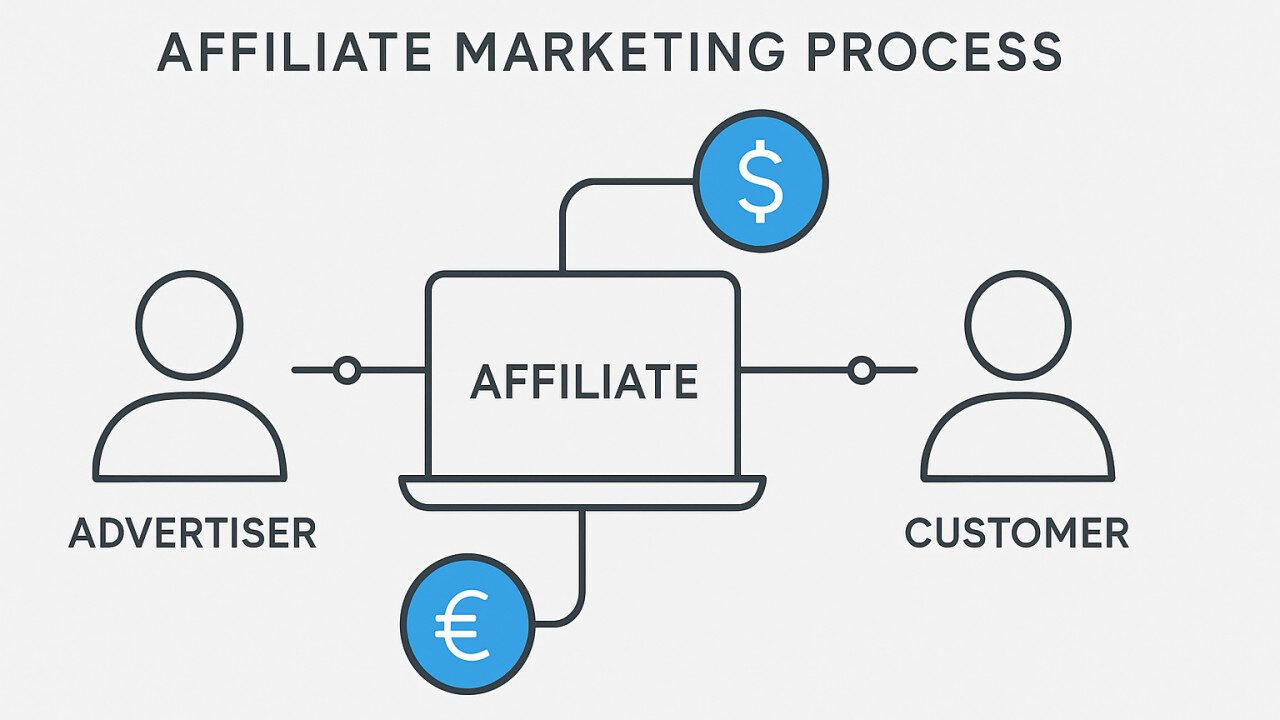
When consumers make a purchase within this designated timeframe, the sale is credited to the affiliate’s account. As a result, the affiliate earns a predetermined commission, which can vary widely depending on the product, program, or agreement made with the merchant. Commissions can be structured in several ways, including pay-per-sale (PPS), pay-per-click (PPC), and pay-per-lead (PPL), allowing flexibility for both merchants and affiliates.
Tracking sales and commissions is facilitated by sophisticated software provided by affiliate programs. These systems report real-time data, ensuring transparency and accuracy in transactions. This relationship between affiliates and merchants creates a win-win scenario where merchants gain exposure and sales, and affiliates have the opportunity to earn passive income by simply promoting products they believe in.
Why Choose Affiliate Marketing for Passive Income?
Affiliate marketing is increasingly recognized as a viable avenue for generating passive income, especially among beginners looking to enter the online business realm. One significant advantage of affiliate marketing is its low startup costs. Individuals can effectively launch their affiliate ventures with minimal investment, utilizing free resources such as social media and blogging platforms to promote products without the burden of inventory management or upfront purchase costs. This attractive financial entry point has made affiliate marketing accessible to a diverse range of individuals.

Another compelling aspect is the flexibility it offers in selecting products to promote. Affiliates can choose from a vast array of niches and offerings, enabling them to align their promotional efforts with their interests and expertise. This ability to curate a personalized product selection ensures that marketing efforts resonate with their target audience, further increasing the potential for successful conversions. As a result, affiliates can work on projects they are passionate about, which not only enhances job satisfaction but also contributes to sustained motivation.
The potential for passive income generation is one of the most alluring prospects associated with affiliate marketing. Once an affiliate establishes a successful marketing strategy, the income can continue to flow without constant intervention. This model allows individuals to earn money while focusing on other pursuits, such as enhancing their skills or exploring additional income streams. Moreover, affiliate marketing is highly scalable; as one gains more experience and builds trust within their niche, they can expand their promotional efforts to include more products or diversified marketing channels. This adaptability is crucial in an ever-evolving digital landscape.
In conclusion, affiliate marketing stands out as an attractive option for beginners seeking to earn passive income online, due to its low startup costs, selection flexibility, passive income potential, and scalability. These factors combine to create a welcoming environment for newcomers aiming to succeed in the digital marketing space.
Top Affiliate Marketing Programs for Beginners
Affiliate marketing offers a lucrative opportunity for beginners seeking to generate passive income. Among the multitude of affiliate programs available, three stand out as particularly beneficial for those just starting out: Amazon Associates, ClickBank, and ShareASale. Each platform has unique features that cater to new marketers, providing a robust foundation for future growth in the field of affiliate marketing.
Amazon Associates is one of the most well-known affiliate programs globally. It allows participants to promote a vast array of products available on Amazon and earn commissions ranging from 1% to 10% depending on the product category. One of the primary advantages of this program is the trust and recognition associated with the Amazon brand, which can lead to higher conversion rates. On the downside, commission rates can be lower compared to other platforms, and the cookie duration is only 24 hours, meaning that earnings are limited to purchases made within a brief window after a click.

ClickBank specializes in digital products, including e-books, software, and online courses. It is known for its high commission rates, which often range from 50% to 75%, making it a lucrative option for affiliates. ClickBank also provides an easy-to-use interface and a wide selection of products to promote. However, the quality of products can vary, and beginners should conduct thorough research to ensure they are recommending reputable offerings.
Lastly, ShareASale is an established affiliate network that connects marketers with various merchants across multiple categories. This platform offers a diverse range of products, making it suitable for those interested in niche marketing. ShareASale features transparent reporting tools and flexible commission structures. However, it may require more effort to find the right programs that match one’s audience and marketing strategy.
In summary, Amazon Associates, ClickBank, and ShareASale represent some of the best affiliate marketing programs for beginners. Each of these platforms brings unique benefits and challenges, catering to various interest areas and strategies, important for building a successful affiliate marketing career.
Step-by-Step Guide to Joining Affiliate Programs
Joining affiliate marketing programs can be an integral step in establishing a passive income stream. The initial phase involves selecting suitable affiliate programs that resonate with your niche or interests. Start by conducting thorough research to identify programs that offer products or services aligned with your audience’s needs. Popular affiliate networks, such as Amazon Associates, ShareASale, and ClickBank, provide a diverse range of options catering to various niches.
Once you have narrowed down the programs of interest, the next step is to register. Most affiliate programs will require you to complete an application form, which typically includes basic information such as your name, email address, website URL, and sometimes your social media profiles. It is important to ensure that your website or blog is well-prepared and demonstrates quality content that is relevant to the program you are applying for. This not only helps in getting your application approved but also enhances your credibility as an affiliate marketer.

After submitting your application, the review process may take anywhere from a few hours to several days, depending on the program’s guidelines. In some cases, you may need to meet specific qualifications, such as having a minimum number of followers or generating a certain amount of traffic to your site. If approved, you will gain access to your unique affiliate links, promotional materials, and additional resources to help you effectively promote the products.
As a beginner, selecting the right affiliate programs is crucial. Look for programs that offer competitive commissions, reliable payment methods, and strong support systems. Reading reviews and joining affiliate marketing forums can provide valuable insight into the best programs for newcomers. By carefully evaluating potential affiliate opportunities, you can set yourself up for success in your journey toward earning passive income online.
Promoting Affiliate Links Effectively
Effectively promoting affiliate links is crucial for maximizing earnings in affiliate marketing. To achieve this, one approach is to utilize blogs as a platform for sharing valuable content that incorporates affiliate links. By creating informative articles, reviews, and tutorials about products relevant to your niche, you can attract an audience interested in those products. It’s important to ensure that the affiliate links are seamlessly integrated into the content, providing additional value without disrupting the reader’s experience. This strategy not only enhances user engagement but also improves the likelihood of click-throughs, leading to potential conversions.

Another powerful channel for promoting affiliate links is social media. Platforms like Instagram, Facebook, and Twitter offer unique opportunities to engage with a broader audience. By showcasing products in posts, stories, or videos, you can leverage visuals to capture attention. Sharing your personal experiences with the products can also instill trust and authenticity. Additionally, utilizing hashtag strategies can expand the reach of content relevant to your affiliate offerings. However, it is imperative to clarify that your posts include affiliate links, maintaining transparency and abiding by ethical guidelines.
Email marketing remains a vital tool to promote affiliate links directly to a engaged audience. By building a subscriber list, you can share curated content that resonates with your audience’s interests. Including affiliate promotions in newsletters or dedicated emails can drive traffic to product pages. It is essential to balance promotional content with valuable insights, as overly promotional emails may lead to unsubscribes. Lastly, maintaining ethics and transparency throughout the promotion process cannot be overstated. Always disclose affiliate relationships to your audience, fostering trust and credibility while respecting their right to make informed decisions. This approach not only aligns with best practices but also nurtures a loyal following, ultimately enhancing the success of your affiliate marketing endeavors.
Tracking Your Progress and Earnings
Tracking your performance in affiliate marketing is crucial for understanding the effectiveness of your strategies and maximizing your earnings. By closely monitoring key metrics, you can gain insights that will inform necessary adjustments to your approach. The primary metrics to consider include clicks, conversions, and commissions, which can be effectively monitored through analytics tools provided by affiliate programs.
Clicks represent the number of times users engage with your affiliate links. A high click-through rate (CTR) indicates that your content resonates with your audience and that they are interested in the products or services you promote. Conversely, if clicks are low, you may need to revisit your promotional strategies, such as refining your calls to action, optimizing your content for SEO, or re-evaluating the placement of your links within your content.

Conversions measure how many of those clicks resulted in actual sales or desired actions. Analyzing conversion rates will allow you to determine the effectiveness of the affiliate products you choose and your marketing tactics. If your conversion rates are lower than expected, consider experimenting with different audience segments, altering your marketing messages, or enhancing product descriptions to increase appeal.
Lastly, tracking commissions is essential as it directly correlates to your earnings. Many affiliate programs provide dashboards that not only display your monthly income but also detail each transaction, enabling you to identify which products or strategies are generating the most revenue. This information is valuable for making informed decisions about where to focus your efforts in the future.
In conclusion, a systematic approach to tracking your affiliate marketing progress combined with timely adjustments based on data analysis will empower you to optimize your strategies and ultimately enhance your potential for passive income online.
Common Mistakes to Avoid in Affiliate Marketing
Embarking on a journey in affiliate marketing can be both exciting and lucrative; however, many beginners frequently encounter pitfalls that can hinder their success. One of the most common mistakes is selecting the wrong niche. Affiliates must choose a niche that not only aligns with their interests but also has a viable market demand. Picking a niche that is overly saturated or lacks a target audience can lead to frustration and minimal earnings. Conducting thorough research before committing to a specific niche is crucial for long-term success.
Another prevalent error is neglecting the importance of audience building. Many new marketers focus primarily on promoting products rather than establishing relationships with their audience. Cultivating a loyal following is essential, as trust plays a pivotal role in influencing purchase decisions. Therefore, creating valuable content that resonates with the audience, such as blog posts, social media updates, or newsletters, will enhance engagement and boost the likelihood of conversions. This approach creates a sustainable foundation for affiliate marketing endeavors.

Furthermore, failing to disclose affiliate relationships can lead to legal issues and damage credibility. Transparency is vital in maintaining trust with your audience. It is important to inform your audience when a link is an affiliate link; doing so demonstrates integrity and can encourage more clicks and conversions. Best practices include prominently displaying disclosures within your content and ensuring that they are easily noticeable to readers.
To navigate these pitfalls, beginners should start by conducting extensive niche research, focusing on audience engagement, and maintaining transparency in their affiliate relationships. By avoiding these common mistakes, new marketers can enhance their chances of success and effectively establish a thriving affiliate marketing business.
Tools and Resources for Affiliate Marketers
As a beginner in affiliate marketing, having the right tools and resources at your disposal can significantly enhance your productivity and success. A variety of platforms and software options are available that can cater to different aspects of affiliate marketing, from managing content to optimizing for search engines.
First, consider a reliable blogging platform. WordPress is often the recommended choice due to its user-friendly interface and extensive customization options. It also supports numerous plugins that can help with SEO optimization and improving site performance, which are crucial for attracting and retaining visitors. Other platforms such as Wix and Squarespace offer intuitive drag-and-drop features, making it easy to set up an aesthetically pleasing site.

To drive traffic and improve online visibility, appropriate SEO tools are essential. Software like SEMrush and Ahrefs allows you to analyze keywords, perform competitor research, and track your site’s performance over time. These insights can inform your content strategy and ultimately lead to more conversions. Additionally, Google Analytics provides essential data on user behavior, helping you to fine-tune your marketing efforts.
Social media plays a vital role in affiliate marketing, therefore using scheduling tools such as Buffer or Hootsuite can help streamline your posting strategy. These platforms allow you to plan your content calendar in advance, ensuring a consistent presence across various social media channels.
Lastly, investing in training courses tailored for affiliate marketers can provide you with valuable knowledge and strategies. Platforms like Udemy and Skillshare offer courses on everything from the basics of affiliate marketing to advanced SEO techniques. These resources can empower you with the skills needed to navigate the complexities of the affiliate landscape effectively.