Strategies to Grow Your Freelance Business and Attract High-Paying Clients


Understanding the Freelance Market Landscape
The freelance market has experienced significant evolution, particularly in recent years, ignited by advancements in technology and shifts in workforce dynamics. The growth of digital platforms has facilitated connections between freelancers and clients, allowing for a more accessible engagement for service providers in various sectors. This landscape presents freelancers with unique opportunities as well as challenges that must be navigated effectively to thrive.
Current trends indicate an increasing demand for specialized skills within the freelance market. As industries evolve, businesses are seeking freelancers who can provide niche expertise, catering to specific project needs. For instance, technical skills such as web development, digital marketing, and graphic design remain in high demand. Understanding these trends enables freelancers to tailor their services to meet the expectations of potential clients, enhancing their chances of securing lucrative contracts.
Moreover, clients’ expectations have shifted significantly. In today’s competitive landscape, businesses are not only looking for skill but also for reliability, communication, and an understanding of their unique needs. Freelancers who can demonstrate a thorough grasp of industry trends and provide customized solutions are more likely to stand out. This understanding of client expectations can help freelancers position themselves more effectively in the market.
While opportunities abound, freelancers also face challenges, such as market saturation and competition. It is essential for independent professionals to differentiate themselves by establishing a strong personal brand and actively marketing their services. By recognizing these dynamics, freelancers can better navigate the complexities of the freelance market and identify lucrative niches where they can apply their talents efficiently.
Crafting a Standout Portfolio
A well-curated portfolio is an essential tool for freelancers aiming to grow their businesses and attract high-paying clients. It serves as a tangible representation of one’s skills, expertise, and unique value propositions. To create an effective portfolio, it is crucial to include a diverse range of work that not only highlights versatility but also aligns with the interests of prospective clients.
Begin by selecting your best pieces that demonstrate a variety of skills. This may include completed projects, relevant samples, or even mock-ups that reflect your creative process. Ensure that each piece is accompanied by a brief description detailing the project objectives, your role, the challenges faced, and the successful outcomes achieved. This contextual information will help potential clients understand your thought process and problem-solving abilities, making your portfolio more impactful.

Tailoring your portfolio for different clients is another effective strategy. Research prospective clients thoroughly and understand their specific needs, preferences, and industries. This will allow you to curate a portfolio that speaks directly to their expectations, showcasing how your skills can address their challenges. For example, if you are designing your portfolio for a tech company, prioritize graphics and projects relevant to technology, software, or app development.
Incorporating testimonials and case studies can significantly bolster your portfolio’s credibility. Positive feedback from previous clients acts as social proof, reinforcing your competence and reliability. Case studies, on the other hand, provide an in-depth look at specific projects, outlining your approach and the measurable results achieved. By blending these elements, you will not only enhance your portfolio’s appeal but also instill confidence in potential clients, setting you apart in a competitive freelance landscape.
Positioning Your Skills Effectively
In the highly competitive freelance landscape, distinguishing yourself is paramount for attracting high-paying clients. The first step involves identifying your Unique Selling Proposition (USP), which is the combination of skills, experiences, and personal traits that sets you apart from other freelancers. To effectively articulate your USP, begin by conducting a thorough self-assessment. Reflect on what specific services you offer, the specific problems you solve, and how your experience enhances your credibility. This self-awareness allows you to present a compelling narrative that resonates with potential clients.
Crafting a personal brand narrative is essential in positioning your skills. Your narrative should communicate not just what you do, but why you do it, showcasing your passion and commitment to your craft. Highlight specific successes, case studies, or testimonials that underscore your capabilities. Use storytelling to connect emotionally with your audience; this could involve sharing challenges you’ve overcome or how your work has made a positive impact on your clients’ businesses. Aim for clarity and authenticity, as these qualities can significantly enhance your appeal.
Language plays a crucial role in positioning your services. Utilize industry-specific terminology that demonstrates your expertise and familiarity with the field. However, be mindful of your audience; generate content that is accessible and engaging without overly technical jargon. Tailor your profiles, proposals, and portfolios to reflect the language and values of your target clients. This approach not only showcases your skills but also aligns with the expectations and needs of those you aim to attract.
By effectively identifying and articulating your unique talents and creating a relatable personal brand, you increase your chances of standing out and appealing to the clients you wish to attract. Positioning your skills effectively is thus an essential aspect of growing your freelance business.
Mastering Client Outreach Strategies
In the competitive landscape of freelancing, effective client outreach is paramount to securing high-paying projects and establishing long-term relationships. One of the most common methods freelancers employ is cold emailing. This approach involves directly contacting potential clients with a well-crafted message that showcases your skills, experiences, and how you can address their specific needs. To enhance the effectiveness of your cold emails, it is crucial to personalize each message. Address recipients by name, reference pertinent details from their business, and articulate how your services can provide clear value. Such bespoke outreach increases the likelihood of a response and builds rapport from the outset.

Another effective strategy involves networking at industry events. Conferences, seminars, and workshops offer excellent opportunities to meet potential clients face-to-face. Engaging in conversations at these events not only allows you to build genuine connections but also grants you insight into their business challenges and how you may assist in overcoming them. It is advisable to attend events relevant to your niche where your target clients are likely to be present. Collecting business cards and following up with personalized messages can help solidify the relationship established during the event.
In addition to traditional methods, leveraging social media platforms has become increasingly significant for freelancers looking to expand their outreach efforts. Platforms such as LinkedIn, Twitter, and even Instagram can be used to connect with potential clients. Regularly sharing valuable content and engaging with industry discussions can position freelancers as knowledgeable authorities in their fields. Remember, social media interaction should be personable; commenting on posts and participating in conversations can create familiarity, making your outreach more effective.
Ultimately, mastering these outreach strategies requires a thoughtful approach that emphasizes relation-building and personalized communication. These elements not only increase your chances of attracting high-paying clients but also contribute to the sustainable growth of your freelance business.
Building Long-Term Client Relationships
Nurturing client relationships is crucial for freelancers seeking sustainable success. Establishing a solid foundation with clients not only leads to repeat business but also encourages referrals, which can significantly enhance a freelancer’s reputation and income. Therefore, employing strategies that foster lasting connections is paramount.
One effective strategy is maintaining consistent communication with clients. Regular check-ins, whether through email or messaging platforms, demonstrate your commitment to their needs. Additionally, updating clients on project developments fosters transparency, ensuring they feel involved in the process. This approach enhances trust, which is essential in any business relationship.
Another critical aspect is delivering exceptional service. Meeting deadlines, exceeding expectations, and being responsive are fundamental elements that clients look for. By showcasing reliability and professionalism, freelancers can differentiate themselves in a competitive market. Furthermore, proactively seeking client feedback after project completion allows you to enhance your service, aligning it with client expectations and demonstrating a genuine interest in their satisfaction.

Offering additional value is another method to strengthen client relationships. This can take many forms, such as providing helpful resources related to their business, sharing relevant industry insights, or suggesting new strategies that align with their goals. By positioning yourself as a valuable resource, you reinforce the perception of your services and increase the likelihood of future collaborations.
Moreover, being adaptable to evolving client needs is essential. As clients’ businesses grow and change, so should your service offerings. Staying informed about industry trends and actively seeking to understand their changing requirements will ensure that your contributions remain relevant and impactful.
By implementing these strategies to cultivate long-term client relationships, freelancers can not only secure repeat business but also establish a network of satisfied clients who are likely to recommend their services to others.
Pricing Strategies for High-Paying Clients
Understanding effective pricing strategies is critical for freelancers aiming to attract high-paying clients. One of the most effective models to consider is value-based pricing. This approach revolves around the value your services bring to the client, rather than simply calculating costs or market rates. By demonstrating the potential return on investment (ROI) that your freelance services can provide, you can justify higher fees. Highlighting past successes and tangible outcomes can create a compelling case for clients who are contemplating investing in premium services.
Another effective strategy is the creation of service packages. By bundling services together, freelancers can provide clients with more options and greater perceived value. For instance, if you offer web design, social media management, and content creation, consider packaging these services together at a slightly reduced rate compared to purchasing each individually. This approach not only attracts clients looking for comprehensive solutions but also elevates your brand as a one-stop shop for their needs. Additionally, it streamlines your workflow by allowing you to manage projects more efficiently.
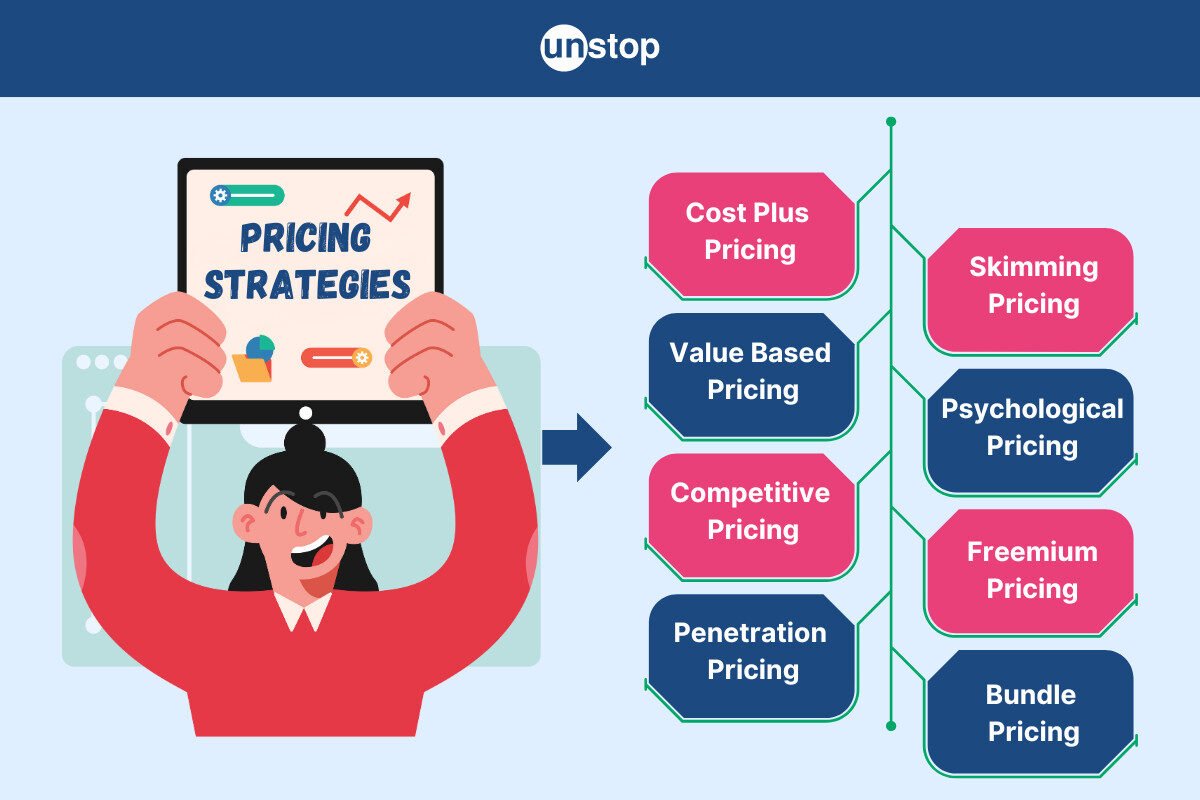
However, freelancers often encounter pricing objections, whether due to budget constraints or misconceptions about the value of their work. To overcome these objections, it is crucial to communicate clearly about the benefits and outcomes clients can expect. Be prepared with data and testimonials that reinforce your skills and the effectiveness of your services. Emphasizing the long-term savings or income potential from investing in quality work can help shift client perspectives. Ultimately, structuring your pricing around value and effectively communicating that value not only leads to higher-paying clients but also establishes sustainable earnings for your freelance business.
Leveraging Online Platforms for Visibility
In the contemporary freelance landscape, harnessing the power of online platforms is crucial for enhancing visibility and attracting high-paying clients. Freelancers can significantly benefit from utilizing various freelancing websites and social media channels to showcase their skills, build a portfolio, and connect with potential clients. The first step in this process is to create a strong profile on freelancing websites, such as Upwork, Fiverr, or Freelancer. This profile should include a clear and concise headline, a professional photograph, and a detailed description of services offered. Highlighting relevant experience and showcasing past work can also increase attractiveness to potential clients.
Optimizing profiles for searchability is another essential aspect of leveraging online platforms. Freelancers should incorporate industry-specific keywords that potential clients are likely to use in their searches. This tactic not only boosts profile visibility but also ensures relevance in search results, making it easier for clients to find qualified individuals for their projects. Additionally, maintaining an updated profile with recent work samples and client testimonials helps to establish credibility and instills confidence in potential clients.
Engagement with communities on social media can further enhance a freelancer’s presence. Platforms like LinkedIn, Twitter, and Facebook provide ample opportunities for freelancers to network, share insights, and connect with industry leaders. Joining groups related to specific niches or skills allows freelancers to participate in discussions, showcase expertise, and build meaningful relationships. By participating actively in these communities, freelancers can create a robust online presence that is attractive to high-paying clients.
In conclusion, leveraging online platforms effectively can play a pivotal role in a freelancer’s journey towards growing their business and attracting lucrative opportunities. By focusing on creating a strong profile, optimizing for searchability, and engaging with relevant communities, freelancers can position themselves as credible professionals in their respective fields.
Continuing Professional Development and Learning
In the competitive landscape of freelancing, continuous professional development and learning play a pivotal role in enhancing a freelancer’s skill set and marketability. The rapidly evolving nature of industries necessitates that freelancers remain updated with the latest trends and technologies, which can directly influence their ability to attract high-paying clients.
One of the most effective avenues for professional growth is through online courses. Platforms such as Coursera, Udemy, and LinkedIn Learning offer a diverse range of subjects tailored to various skill levels. Engaging in targeted courses can not only fill knowledge gaps but also allow freelancers to gain certifications that can bolster their credibility. Moreover, subjects like digital marketing, graphic design, or coding can provide freelancers with the specialized skills that clients seek, thus expanding their scope of projects.

Workshops represent another valuable method for professional development. These in-person or virtual sessions not only deepen knowledge but also provide an interactive environment where freelancers can engage directly with industry experts. Networking within these workshops encourages the exchange of ideas and fosters connections that may lead to future collaboration opportunities or referrals. The significance of networking cannot be overstated, as building relationships within the freelance community can lead to new projects and clientele.
Furthermore, local meetups and professional associations can serve as beneficial platforms for freelancers. Attending industry-specific gatherings provides insights into best practices and enables freelancers to stay informed about market demands, which can greatly aid in tailoring their offerings to meet client expectations. By investing time and resources into continuous professional development, freelancers can significantly enhance their expertise and position themselves as desirable candidates in the marketplace.
Measuring Success and Adapting Strategies
For freelancers, measuring success is critical to understanding their growth trajectory and ensuring sustained profitability in a competitive market. Key performance indicators (KPIs) are essential metrics that freelancers should utilize to gauge their effectiveness. Income growth is perhaps the most obvious metric; tracking monthly or annual earnings provides insight into financial health and stability. Beyond income, client satisfaction rates can offer significant insights—gathering feedback through surveys or direct communication allows freelancers to assess the quality of their work and client relationships.
Additionally, other measurable outcomes such as project completion rates, repeat client ratios, and referrals can further illuminate a freelancer’s standing in their industry. High client satisfaction often results in more referrals, a crucial aspect for freelancers relying on word-of-mouth to grow their client base. Leveraging these various metrics enables freelancers to identify patterns that inform strategic decisions. For example, if a freelancer notices a drop in repeat clients, it might indicate a need for enhanced communication or service delivery adjustments.
Adapting strategies based on feedback is vital for continuous improvement. Regularly reviewing the metrics and taking actionable steps to respond to client needs can differentiate freelancers from their competition. This can involve refining service offerings, optimizing pricing structures, or even investing in additional skills and tools that enhance service quality. Moreover, staying updated with industry trends and client preferences ensures that freelancers remain relevant, appealing to high-paying clients who demand exceptional value.
In conclusion, the ability to measure success through various metrics and adapt strategies based on performance and client feedback is crucial for freelancers aiming to attract high-paying clients and maintain a thriving freelance business. Continuous self-assessment fosters growth and positions freelancers for long-term success in an ever-evolving market.