Essential Strategies for Building a Powerful Online Brand

Understanding Online Branding
In the digital landscape, online branding refers to the process of creating a unique identity and presence for a business or individual across various online platforms. This identity is manifested through elements such as visual design, messaging, and overall customer experience. Online branding encompasses not just the aesthetics of a website or social media profiles, but also the qualities and values associated with the brand. A strong online brand is crucial for entrepreneurs, as it helps establish credibility, differentiate a business from competitors, and foster customer loyalty.
The importance of online branding cannot be overstated. In an era where consumers increasingly rely on the internet to discover and evaluate products and services, a robust online brand can significantly influence customer perceptions. It shapes how potential customers view the business and its offerings, thereby impacting their decision-making process. When a brand resonates well with its audience, it increases the likelihood of customer engagement, loyalty, and positive word-of-mouth referrals.
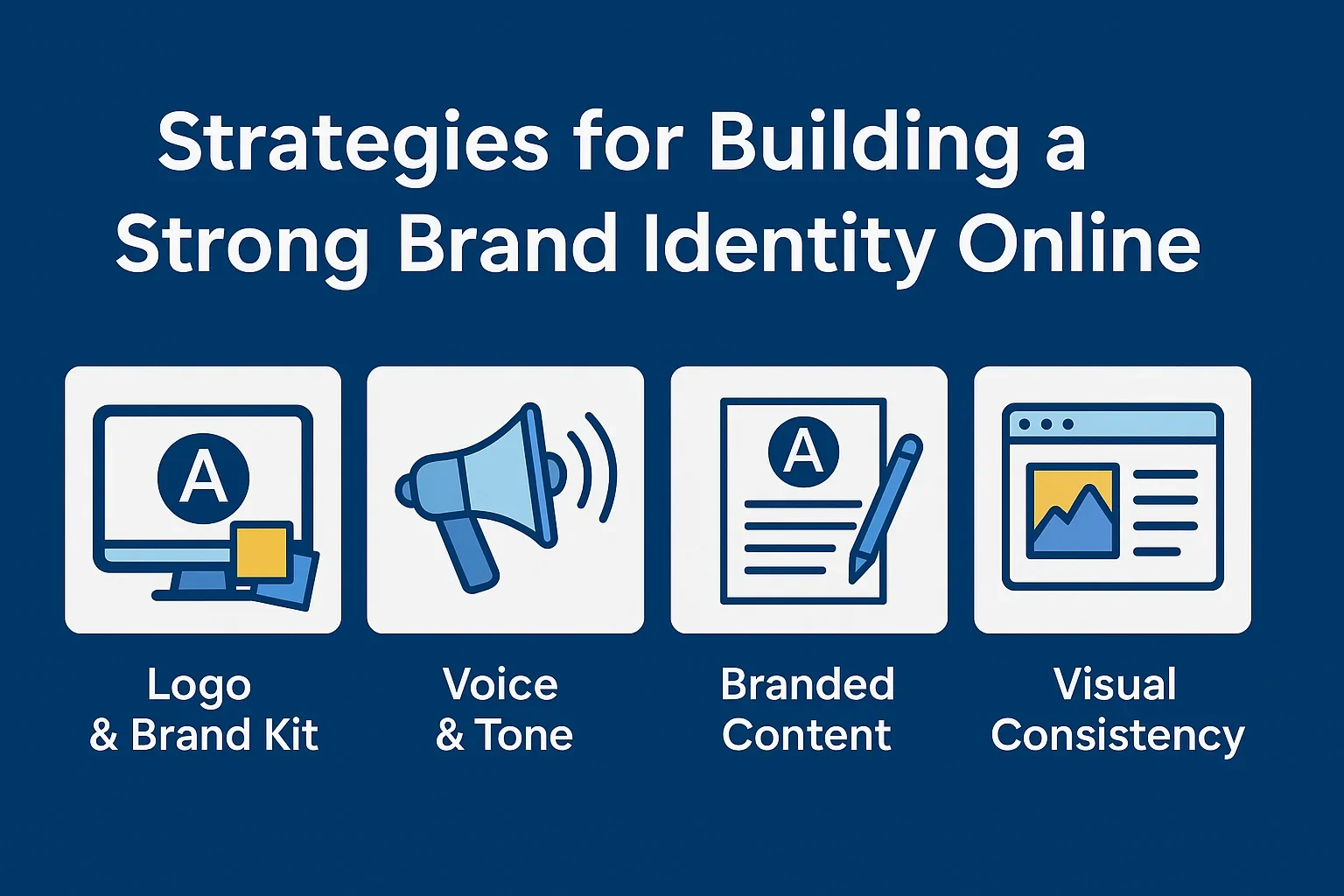
Moreover, a well-defined online brand can enhance the overall visibility of a business. This visibility is crucial for driving traffic to a website and increasing conversion rates. Entrepreneurs who invest time and resources into developing their online brand can create a cohesive narrative that connects with their target audience. This narrative should reflect the brand’s mission, values, and unique selling propositions. By doing so, businesses can cultivate a strong community of followers who are more likely to become repeat customers.
In conclusion, understanding online branding is essential for entrepreneurs looking to cultivate a powerful online presence. It establishes a foundation for customer engagement and long-term business growth, ultimately contributing to the overall success of the brand in the competitive digital marketplace.
Identifying Your Target Audience
Identifying your target audience is a critical step in building a powerful online brand. Understanding who your audience is allows you to tailor your marketing strategies effectively, ensuring your message resonates with those most likely to engage with your brand. Market research serves as the foundation for this understanding. Utilizing techniques such as surveys, interviews, and social media analytics provides valuable insights into the preferences, behaviors, and needs of your potential customers.
Creating detailed customer personas is an effective method for visualizing your target audience. By compiling demographic information, interests, and purchasing behaviors, you can construct profiles that represent different segments of your audience. This exercise not only helps in comprehending the motivations behind consumer behavior but also guides your content creation and marketing strategies. For instance, knowing that a segment of your audience values sustainability can inform product development and messaging that appeals to these environmentally conscious consumers.

Analytics tools further enhance your understanding of your target audience. Platforms like Google Analytics and social media insights allow you to track user behavior, engagement patterns, and even conversion rates. These data-driven insights enable you to refine your marketing efforts, ensuring that your campaigns are guided by actual user behavior rather than assumptions. By continually analyzing these metrics, you can adapt your strategies to meet the evolving needs and preferences of your audience.
Ultimately, investing time and resources in identifying and understanding your target audience is essential for creating an effective online brand presence. This knowledge not only informs your marketing tactics but also fosters a more meaningful connection with your audience, leading to increased brand loyalty and consumer engagement over time.
Crafting Your Brand Story
In the realm of branding, storytelling plays a crucial role in establishing a powerful online presence. A compelling brand narrative captures the essence of what your brand stands for and engages your audience on a deeper emotional level. To craft an effective brand story, it is essential to articulate your brand’s mission, values, and the unique journey that led to its inception. This narrative serves not only as a means of communication but also as a method to differentiate your brand in a crowded marketplace.
Start by identifying the key elements of your brand story. These elements might include the challenges faced during the brand’s development, the inspiration behind the brand, and the positive impact it seeks to create. Consider the voice and tone of your narrative; these should align with your brand identity and resonate with your target audience. For instance, a luxury brand might adopt a sophisticated tone, while a youthful, adventurous brand could be more casual and vibrant.

Successful examples of brand storytelling include companies like Apple and Nike. Apple effectively communicates its narrative of innovation, creativity, and empowerment, encouraging consumers to see themselves as part of a community that values groundbreaking technology. On the other hand, Nike’s brand story emphasizes determination and resilience, inspiring athletes and everyday individuals alike. Their iconic “Just Do It” slogan encapsulates a larger narrative of pushing limits and achieving goals, making it relatable to a broad audience.
As you develop your brand story, focus on authenticity, relatability, and emotional connection. An effective narrative goes beyond mere facts; it creates an experience that invites your audience to become part of your brand’s journey. Through consistent storytelling across various platforms, you can enhance your brand identity and cultivate a loyal community of followers who resonate with your values and vision.
Leveraging Social Media for Brand Growth
In today’s digital landscape, social media marketing plays a crucial role in establishing and growing a powerful online brand. Selecting the appropriate social media platforms is the first step toward building an effective online presence. Depending on the target audience and the nature of the business, platforms such as Facebook, Instagram, LinkedIn, and Twitter may be ideal choices. It is important to prioritize platforms that align with both the brand’s goals and the demographics of their audience, ensuring that the content reaches the right people.
After identifying the suitable platforms, the next step is to develop engaging content. Content must reflect the brand’s identity while resonating with the audience. This can include various forms of media such as videos, images, and written posts that tell a story or provide value to the viewers. Consistency is key; posting regularly keeps the brand relevant and increases audience engagement. Moreover, utilizing features such as stories, polls, and live videos can foster interaction and encourage audience participation.

Building a community around the brand is essential for long-term success. Engaging with followers through comments, direct messages, and group discussions creates a sense of belonging and loyalty. Brands should also encourage user-generated content, allowing customers to share their experiences and showcase their relationship with the brand. This not only increases organic reach but also fosters trust among potential customers.
Several successful case studies illustrate how businesses have leveraged social media for substantial growth. For instance, the cosmetics brand Glossier has effectively utilized Instagram, not just to promote products but to cultivate a vibrant community, driving brand loyalty through user engagement and feedback. By adopting similar strategies, brands can harness the power of social media marketing to not only grow their brand but also establish a lasting online presence.
Building Your Content Strategy
Establishing a robust content strategy is pivotal for aligning your online brand with its overall objectives. A well-defined content strategy not only allows brands to communicate effectively with their audience but also plays a fundamental role in enhancing visibility and credibility. The process begins with identifying your branding goals and understanding the target audience’s preferences. This understanding dictates the types of content that will resonate best with potential customers.
Various content types are integral to a comprehensive strategy. Blogs are an effective medium to inform, educate, and engage an audience on relevant topics while also aiding search engine optimization (SEO). Videos, on the other hand, cater to a more visual audience and can be particularly compelling in conveying messages or promoting products. Podcasts are gaining traction as a way to foster deeper connections with audiences, offering content that can be consumed on-the-go. By diversifying the content mix, brands can cater to different preferences, thereby increasing audience engagement.

Moreover, implementing a content calendar is crucial to maintaining consistency and organization in content delivery. A calendar serves as a roadmap for planning, scheduling, and tracking content production and publication. By adhering to a content calendar, brands can ensure a steady flow of fresh content, which is essential for keeping the audience engaged and informed. Consistency in posting not only builds anticipation among followers but also significantly contributes to improved brand recognition.
Finally, monitoring and analyzing content performance is vital for refining the content strategy over time. Utilizing analytics tools allows brands to assess what content resonates most with their audience, enabling adjustments to be made to enhance engagement and interaction. This iterative approach ensures that the content strategy remains aligned with both branding goals and audience needs.
Enhancing Digital Visibility
In today’s digital era, establishing a formidable online brand necessitates a focused approach to enhancing digital visibility. Essential techniques, including Search Engine Optimization (SEO), Search Engine Marketing (SEM), and the strategic use of online directories, play a pivotal role in achieving this goal. By effectively implementing these strategies, businesses can significantly increase their visibility, subsequently attracting more organic traffic to their websites.
Search Engine Optimization (SEO) is fundamental to enhancing a brand’s online presence. It involves optimizing a website’s content, structure, and attributes to improve its rankings on search engine results pages (SERPs). Key components of SEO include keyword research, on-page optimization, link building, and technical SEO. Businesses should prioritize the use of relevant keywords that reflect their target audience’s search intentions, ensuring these keywords are naturally integrated within the website content. Quality backlinks from reputable sources further elevate a site’s credibility, making it crucial to cultivate relationships with other online businesses and influencers.

Complementing SEO, Search Engine Marketing (SEM) allows brands to maintain a competitive edge through paid advertising efforts. Platforms like Google Ads provide businesses with the opportunity to target specific demographics, ensuring ads are shown to the right audience. By allocating a budget for SEM, brands can effectively boost their visibility, especially in the short term, while their organic strategies take effect.
Additionally, utilizing online directories can enhance digital visibility by increasing brand exposure across various platforms. Listing the business in relevant online directories not only aids in local SEO efforts but also helps reputation management through customer reviews. The combination of these strategies—SEO, SEM, and the use of online directories—creates an integrated approach towards enhancing digital visibility, ultimately guiding a brand towards achieving its objectives and fostering sustainable growth.
Building Customer Relationships
Establishing strong relationships with customers is fundamental to creating a powerful online brand. The quality of interactions can significantly influence customer loyalty and brand perception. To foster these relationships, brands must prioritize personalized communication. Tailoring messages based on consumer preferences not only demonstrates an understanding of their needs but also signals that the brand values individual customers. For instance, utilizing customer data to send personalized emails or recommendations can make a substantial difference in engagement rates and overall satisfaction.
Another essential strategy involves implementing feedback loops. Actively seeking customer input allows brands to gauge consumer sentiment and understand their experiences with products or services. Methods for collecting feedback can include surveys, social media polls, or direct outreach through email. By regularly analyzing this feedback, brands can make informed adjustments to their offerings, ensuring that they are continually meeting customer expectations and enhancing satisfaction. This approach shows customers that their opinions matter, further solidifying their connection to the brand.
Loyalty programs also play a crucial role in nurturing customer relationships. By rewarding repeat customers, brands can foster a sense of belonging and appreciation. Effective loyalty programs often combine rewards with personalized experiences, encouraging customers to engage with the brand on multiple levels. For example, a points system that offers exclusive discounts or early access to new products not only incentivizes repeat business but also shows customers that their loyalty is recognized and reciprocated.

Incorporating these strategies—personalized communication, effective feedback loops, and robust loyalty programs—can significantly enhance the way customers perceive a brand. As a result, the brand not only fosters stronger relationships but also creates a sustainable model for customer retention. Enhancing customer satisfaction through these methods ultimately contributes to a thriving online presence and a compelling brand identity.
Monitoring and Measuring Brand Performance
In the digital landscape, monitoring and measuring brand performance is crucial for understanding the effectiveness of branding strategies. A comprehensive approach involves utilizing various key performance indicators (KPIs) to evaluate brand engagement, reach, and overall impact. KPIs can encompass a range of metrics including website traffic, social media engagement rates, and conversion rates, which collectively provide insight into consumer behavior and brand perception.
One of the most effective tools for tracking brand performance is web analytics software, such as Google Analytics. This platform allows businesses to dissect user behavior on their websites, observing metrics such as session duration, page views, and bounce rates. Additionally, social media platforms offer native analytics dashboards that reveal important metrics like follower growth, shares, comments, and the reach of individual posts. Leveraging these tools can significantly inform branding strategies by providing quantitative data on audience interaction and preferences.
Moreover, sentiment analysis tools can help assess public perception of the brand across various channels, identifying how customers feel about the brand. This qualitative data is essential in refining branding efforts and aligning them with audience expectations. Monitoring these variables not only aids in evaluating existing strategies but also facilitates dynamic adjustments. As trends and audience behaviors evolve, brands must remain agile, adapting their strategies based on data insights. This responsive approach is integral to maintaining relevance and fostering a strong online presence.
By consistently tracking performance through analytics and adjusting branding initiatives accordingly, businesses can enhance their online presence, thereby creating a resilient and dynamic brand that resonates with their target audience. Strategic monitoring ultimately contributes to the sustainable growth and success of an online brand.
Future Trends in Online Branding
As we move further into the digital age, the landscape of online branding is experiencing rapid changes. Emerging technologies such as artificial intelligence (AI) and augmented reality (AR) are reshaping how brands connect with their audiences. One significant trend is the increasing use of AI-driven tools for personalized marketing. These tools analyze consumer data to create tailored experiences, allowing brands to deliver relevant content and recommendations effectively. The ability to predict consumer preferences enhances brand loyalty and drives conversions.
Augmented reality is also poised to revolutionize online branding. With AR, consumers can visualize products in their own environments before making a purchase. This interactive approach not only enhances the shopping experience but also fosters a deeper emotional connection between the consumer and the brand. As more companies adopt AR technologies, brands that leverage this trend will likely stand out in a crowded marketplace, making it essential for marketers to integrate AR strategies into their branding efforts.

Additionally, shifting consumer behaviors, particularly among younger demographics, are influencing how brands create their online presence. Today’s consumers are increasingly demanding transparency and authenticity from the brands they support. This trend necessitates that brands adopt a more genuine approach in their communication and marketing efforts. Social media platforms also play a pivotal role in this transformation, where user-generated content and authentic storytelling enhance brand visibility and credibility.
As these trends continue to shape the future of online branding, it is vital for entrepreneurs and marketers to remain agile and innovative. By embracing technological advancements and understanding evolving consumer expectations, brands can create stronger connections with their audience and maintain a competitive edge in the digital marketplace.