A Step-by-Step Guide to Creating High-Converting Email Campaigns


Setting Clear Goals for Your Email Campaigns
Establishing clear and measurable objectives is a fundamental component of developing effective email campaigns. By defining specific goals, such as increasing open rates, enhancing click-through rates, or driving sales, marketers can tailor their strategies and content to achieve desired outcomes. Without clear objectives, campaigns may lack direction and become less effective in engaging recipients.
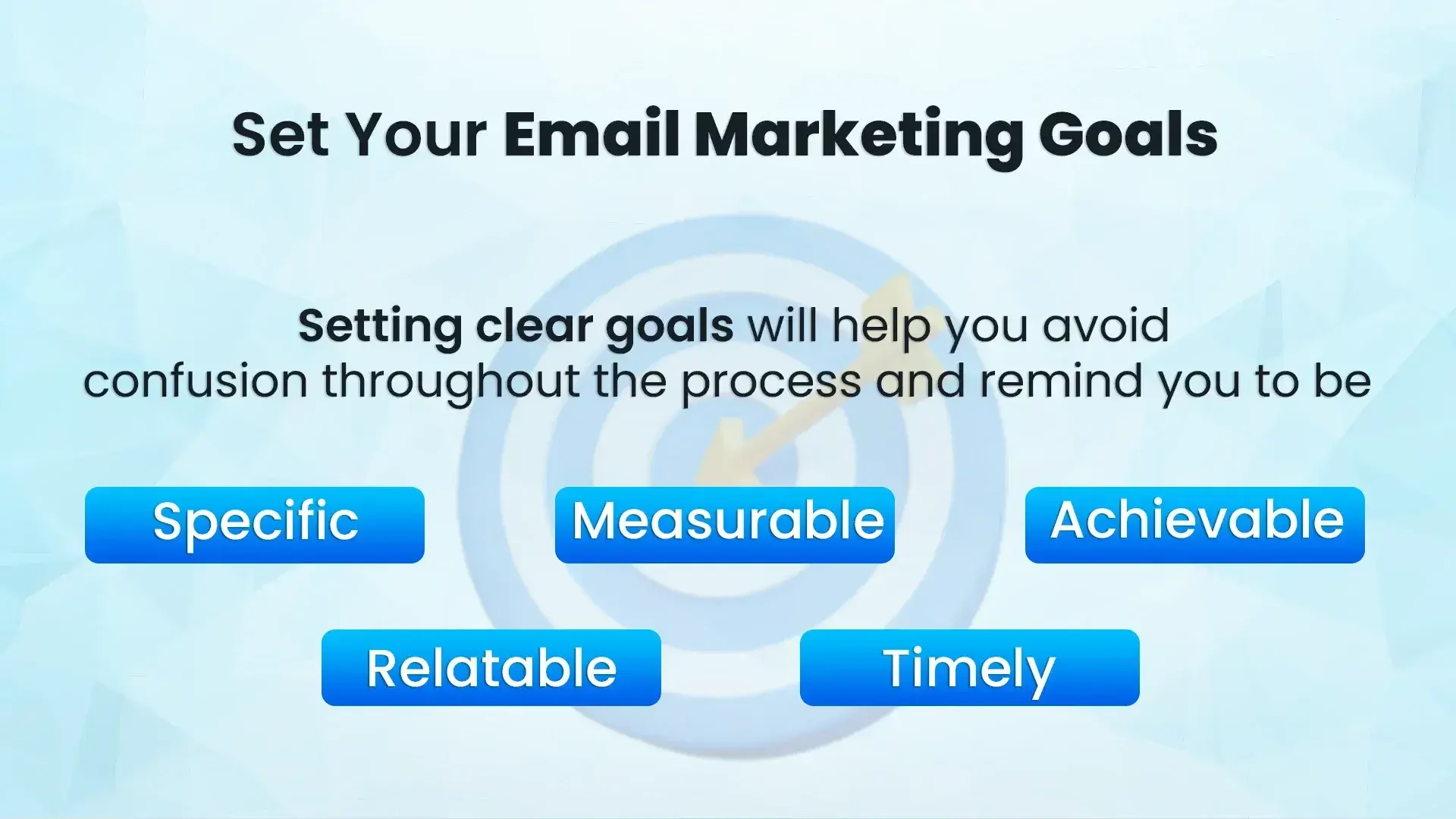
One key strategy for setting goals is to ensure they align seamlessly with your overall marketing strategy. This alignment creates a cohesive approach, allowing each email campaign to support broader business objectives. For instance, if your company aims to boost customer retention, your email campaigns could focus on personalized content, providing value through exclusive offers or relevant product recommendations. By establishing a direct connection between your email goals and marketing strategy, you can maximize the impact of your efforts.
Additionally, utilizing specific metrics to measure progress is essential for evaluating the success of your email campaigns. Consider implementing tracking tools to monitor performance indicators such as open rates and click-through rates. These analytics provide valuable insights into how well your emails resonate with your audience and what areas may require adjustments. For example, if your open rates are lower than expected, you may need to refine your subject lines or improve your targeting strategies to enhance engagement.
Moreover, setting realistic timelines for achieving your goals will hold you accountable and allow for iterative improvements. Regularly reviewing and adjusting your objectives based on performance data can provide ongoing refinement of your campaigns. In conclusion, the foundation of a successful email campaign lies in the clarity of its goals. By establishing precise objectives, aligning them with overall marketing strategies, and tracking progress through measurable metrics, marketers can create high-converting email campaigns that effectively engage their audience.
Understanding Your Audience
Crafting an effective email campaign begins with a thorough understanding of your audience. Knowing who your subscribers are can significantly influence the success of your messaging. To gather demographic information, consider utilizing sign-up forms that ask for relevant details such as age, location, and interests. This information not only helps in identifying different audience segments but also enables personalization, which is crucial for establishing a connection with your readers.

Analyzing subscriber behavior is another key aspect of understanding your audience. Monitoring metrics such as open rates, click-through rates, and conversion rates can provide valuable insights into what content resonates most with your audience. Keep track of which emails generate the most engagement and identify trends that inform future strategies. Tools like heat maps and A/B testing can further enhance your understanding by revealing how subscribers interact with your emails, allowing you to refine your approach accordingly.
Once you have gathered sufficient data, segmenting your audience becomes essential for effective targeted messaging. By categorizing subscribers based on their demographics, behaviors, and preferences, you can tailor content specifically to each group. For instance, if a segment shows interest in a particular product or service, you can send targeted promotions or information that directly addresses their needs. Understanding the pain points and preferences of your audience ensures that your content resonates on a deeper level, increasing the likelihood of engagement and conversions. Ultimately, taking the time to understand your audience sets the foundation for creating high-converting email campaigns that speak directly to their needs and interests.
Writing Compelling Subject Lines
Creating effective subject lines is a crucial step in the success of email campaigns, as they are often the first interaction a subscriber has with your content. A well-crafted subject line not only captures attention but also entices recipients to open the email. To achieve this, it is essential to adhere to a few best practices.
First and foremost, keeping subject lines concise is vital. Research indicates that subject lines with fewer than 50 characters perform better, as they are easier to read on both desktop and mobile devices. This brevity allows you to convey the core message without overwhelming the reader.
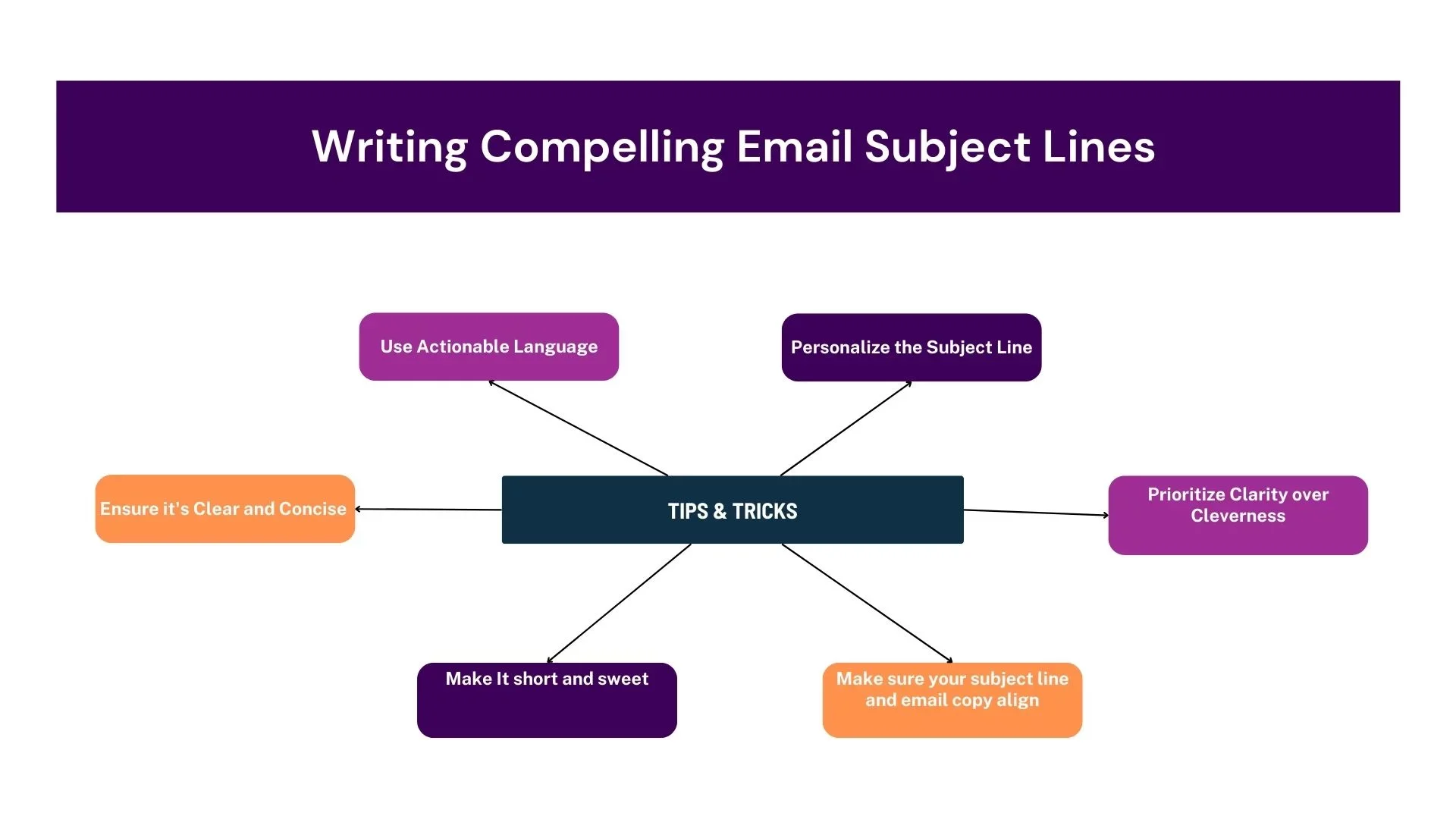
Next, creating a sense of urgency can significantly influence open rates. Phrases that imply time sensitivity, such as “limited time offer” or “last chance to save,” encourage subscribers to act quickly. This technique is especially effective in sales promotions and event-related emails, where immediate action can lead to increased conversions.
Moreover, incorporating personalization can enhance engagement. Utilizing the recipient’s name or referencing their previous interactions with your brand can help increase the relevance of your email. For instance, a subject line like “[Name], your exclusive offer awaits!” creates a welcoming touch that can result in higher open rates.
To illustrate these concepts, consider the following successful subject lines from various industries: – “Hurry! Your 20% Off Expires Tonight!” (Retail) – “Update: Your Subscription is About to Expire” (Service-based) – “Join Us for an Exclusive Webinar on [Topic]” (Education). Each example showcases a blend of urgency and relevance that effectively invites recipients to engage with the content further.
In conclusion, mastering the art of writing compelling subject lines is essential for developing high-converting email campaigns. By keeping them concise, creating urgency, and incorporating personalization, you can significantly increase the likelihood that your emails will be opened and read by your subscribers.
Crafting Valuable Content
Creating engaging and valuable content is core to the success of any email campaign. Valuable content not only captivates the audience but also establishes trust and authority, while simultaneously enhancing the subscriber’s experience. To craft such content, it is essential to leverage storytelling techniques that resonate with the audience. Stories evoke emotions and create relatable scenarios, making the content more enjoyable and memorable.
In addition to storytelling, it is imperative to maintain relevance in your messages. This entails understanding your audience’s preferences, needs, and pain points. By providing solutions to their problems, your emails will not only capture interest but also encourage action. This means researching what topics are currently trending within your industry and adapting your messages to address those interests directly.

Moreover, maintaining a consistent brand voice plays a pivotal role in how your content is perceived. Whether your brand is professional, casual, or creative, aligning your tone with your target audience will foster familiarity and trust. This consistency extends beyond tone; visual elements like logos, colors, and fonts should also reflect your brand identity throughout the email campaign.
While informative content is essential, conciseness is equally important. In today’s fast-paced world, readers appreciate messages that are straightforward and devoid of unnecessary jargon. Ensure that each word contributes to the overall message you want to convey, and utilize bullet points or lists to break down complex information into digestible pieces.
By focusing on storytelling, relevance, brand voice consistency, and brevity, you can create valuable content that keeps your readers engaged and prompts them to take the desired action in your email campaigns.
Designing Clean Layouts
The design of an email campaign plays a pivotal role in its overall success, influencing how recipients interact with the content. A clean and visually appealing layout is essential not only for aesthetic purposes but also for enhancing the effectiveness of the message being conveyed. To achieve a high-converting email, one must focus on several critical elements in the design.
Responsive design should be a priority, as a significant proportion of emails are opened on mobile devices. An email that appears well-structured on a desktop might look cluttered and unreadable on a smartphone. Therefore, using fluid grids and flexible images allows for a seamless viewing experience across various platforms. Test the email extensively on different devices and screen sizes before finalizing the design.
Effective use of white space contributes greatly to readability by providing a clean separation between text and visuals. This space helps to capture the reader’s attention and reduces the risk of overwhelming them with too much information at once. A well-thought-out layout allows key messages and calls-to-action to stand out, leading recipients to take the desired action.
Structuring content logically is also crucial. A clear hierarchy should guide readers through the email, with the most important information placed at the top, followed by supporting details. Bullet points, headers, and subheaders can improve the flow of information, making it easier for readers to pick out the most pertinent points at a glance.
Incorporating visuals, such as images or infographics, can greatly enhance engagement but should be done judiciously. Graphics should support the text rather than distract from it. Moreover, optimize these visuals to ensure fast loading times and maintain the aesthetic appeal across devices. Ultimately, a well-designed email not only captures attention but also facilitates effective communication, leading to higher conversion rates.
Utilizing Clear Calls to Action
Calls to action (CTAs) are crucial elements in email campaigns, serving as the definitive guides for readers on what steps to take next. The effectiveness of an email campaign significantly hinges on the clarity and visibility of its CTAs. A well-designed CTA entices the recipient and significantly increases the potential for engagement, whether it be clicking on a link, making a purchase, or signing up for a service or event.

To craft effective CTAs, it is essential to use concise and action-oriented language. Phrases such as “Shop Now,” “Sign Up Today,” or “Learn More” provide clear instructions that motivate readers to initiate the desired action. The wording should be compelling yet straightforward, ensuring that there is no ambiguity about what the recipient should do next.
The placement of CTAs within the email is equally important. Ideally, CTAs should be positioned prominently above the fold, meaning they are easily visible without having to scroll down. This strategic placement captures the reader’s attention early on. Additionally, incorporating CTAs at multiple points within an email can cater to varying reader preferences and engagement levels, thereby increasing the likelihood of interaction.
Furthermore, the design elements surrounding the CTA must not be overlooked. The button or link should stand out, utilizing contrasting colors that align with the overall email design while still drawing the eye. A well-defined and visually appealing CTA button enhances its clickability. Implementing whitespace around the CTA can also create a sense of isolation, helping it to command attention and convey importance.
Incorporating these practices into your email campaigns can significantly enhance their effectiveness, leading to higher engagement rates and ultimately driving conversions. By clearly guiding recipients on what action to take next, you transform your emails from mere communications into powerful tools for achieving your campaign goals.
Personalization and Timing in Email Marketing
In the realm of email marketing, personalization stands as a cornerstone for driving engagement and conversion rates. By tailoring content to meet individual subscriber needs, businesses can significantly enhance the relevance of their communications. At its core, personalization involves addressing subscribers by their names in the subject line and body of the email, as well as using data insights to recommend products or services based on previous interactions.
One effective strategy is segmenting your email list according to various criteria, such as purchase history, browsing behavior, or demographic information. This allows marketers to send more targeted messages that resonate with different groups within their audience. For instance, when sending promotional emails for new products, marketers might use insights from past purchases to suggest items that complement previous purchases, thus increasing the likelihood of conversion.
Timing is another critical factor that influences email engagement. Sending emails at times when recipients are most likely to check their inbox can drastically impact open rates. Research indicates that the best times to send marketing emails often vary by industry and audience, but general patterns suggest mid-week mornings tend to see higher engagement. Utilizing tools that analyze subscriber behavior can aid in determining optimal send times tailored to your audience.
Moreover, testing strategies such as A/B testing allows marketers to continuously refine their approach to personalization and timing. By comparing different subject lines, content, or send times, businesses can gather actionable insights that inform future campaigns. Ultimately, successful email campaigns are marked by a delicate balance between personalized content and strategic timing, leading to more meaningful connections with subscribers and enhanced returns on marketing efforts.
Testing and Optimization
Testing and optimization are crucial components of successful email marketing campaigns. They serve as a feedback mechanism, enabling marketers to assess the effectiveness of different elements within their emails. One of the most popular methods for testing these elements is A/B testing, which involves sending two variations of an email to different segments of your audience. For instance, you might experiment with two different subject lines to determine which one garners a higher open rate. This technique can also be applied to other elements such as content, design, and call-to-action (CTA) buttons.
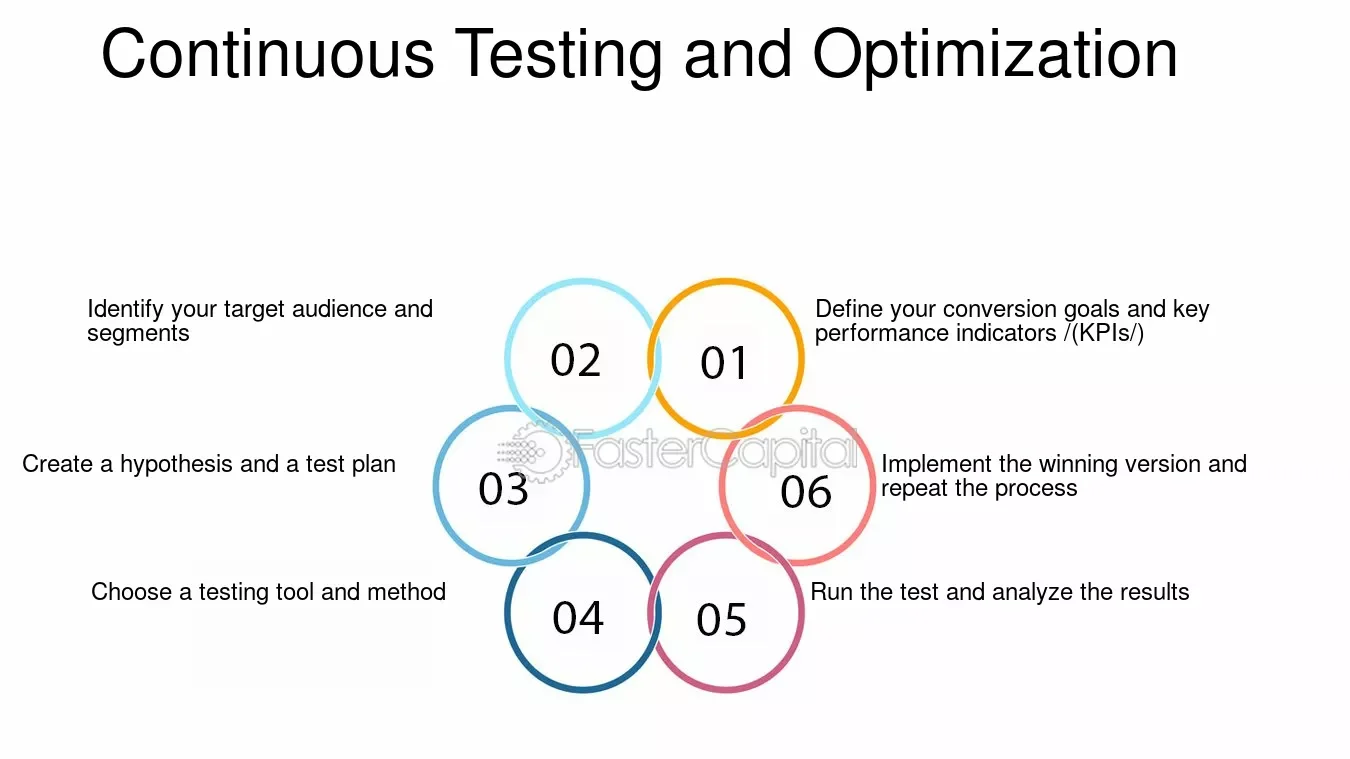
A/B testing allows for the systematic comparison of variables, revealing valuable insights into subscriber preferences. Marketers can alter one variable at a time—be it the color of a CTA button or the tone of the email copy—to ensure that the results are attributable to the change made. Utilizing this method effectively can lead to significant improvements in performance, ranging from higher open rates to improved conversion rates.
In addition to A/B testing, analyzing the results of your campaigns is essential in the testing process. By monitoring metrics such as open rates, click-through rates, and conversion rates, marketers can identify trends and areas for improvement. Tools and analytics platforms facilitate this process, providing in-depth insights that inform future campaigns. Continual optimization enables marketers to hone their strategies based on data-driven decisions rather than assumptions. The interplay of testing and analysis is what ultimately leads to high-converting email campaigns.
Tracking Performance and Measuring Success
Once your email campaigns are underway, it is crucial to monitor their effectiveness through performance tracking and measurement. Establishing key performance indicators (KPIs) tailored to your goals is essential for evaluating success. Among the most important KPIs are open rates, click-through rates, conversion rates, and return on investment (ROI).
Open rates indicate the percentage of recipients who opened your email, reflecting the effectiveness of your subject line and the relevance of your content to your audience. Meanwhile, click-through rates provide insights into how compelling your message is by measuring the proportion of recipients who clicked on links within the email. Analyzing these metrics can help identify what resonates with your audience and what needs adjustment.
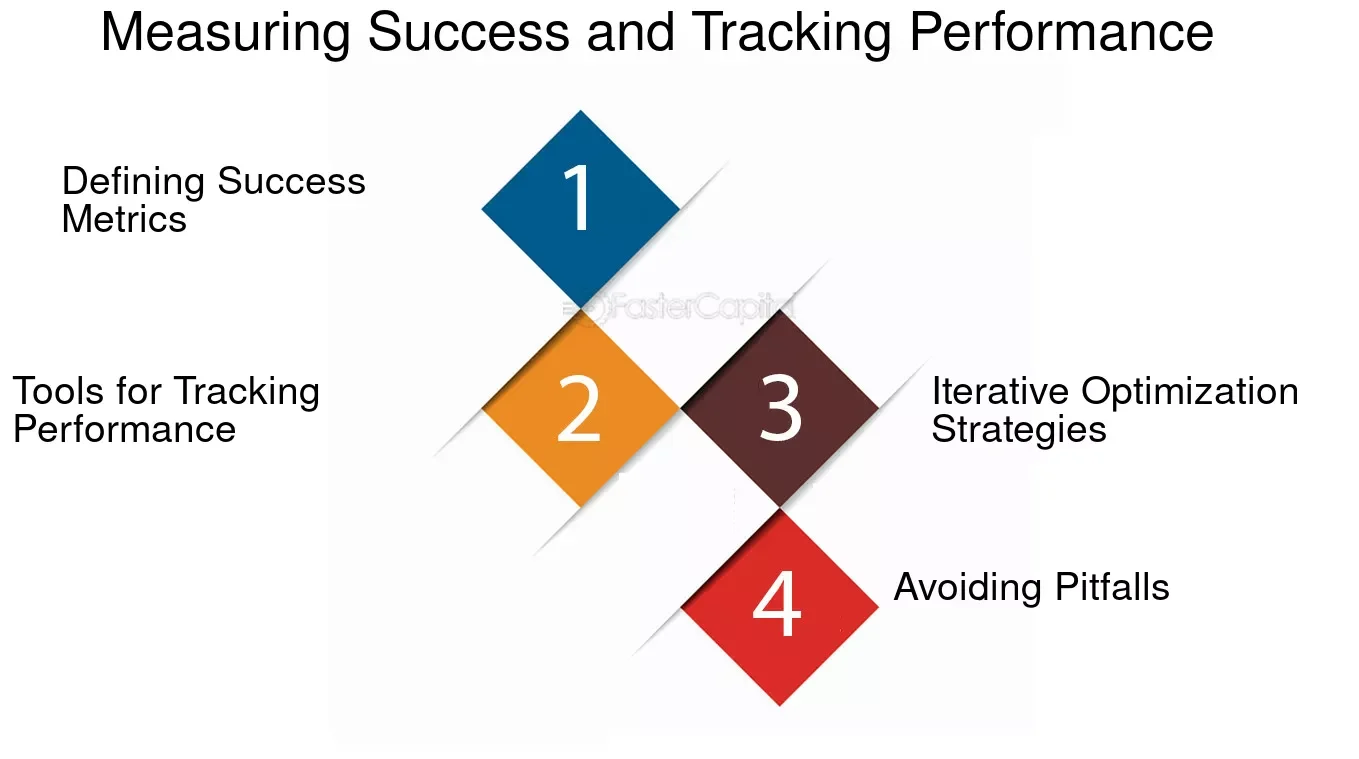
Conversion rates reveal how many subscribers took the desired action after clicking through, such as making a purchase or signing up for a webinar. This metric is pivotal for assessing the overall impact of your email campaigns on your business objectives. Lastly, measuring ROI helps you understand the financial return from your email efforts, guiding future investment in your email marketing strategy.
Utilizing analytics tools is vital to track these metrics effectively. Many email service providers offer built-in reporting features that make it easy to retrieve data on your campaigns. By effectively utilizing these analytics tools, you can gain valuable insights into your subscribers’ behavior and preferences, enabling you to make data-driven decisions.
As you gather performance data, it becomes essential to adapt your strategies accordingly. A/B testing different elements of your emails—such as subject lines, layouts, and call-to-action buttons—can foster continuous improvement. Evaluating the results of these tests will allow you to refine your approach, ensuring future campaigns align with your audience’s expectations and preferences.