Creative Entrepreneurship Ideas for 2026 (Beginner’s Guide)

Did you know that 90% of startups fail in their first year? [Image: Infographic of 2026 startup success rates] That’s a staggering statistic. But here’s the good news: entrepreneurs who start with proven, low-risk ideas and follow a clear plan boost their success odds by 300%. Whether you’re a student in Abuja, a full-time employee dreaming of a side hustle, or someone ready to go all-in, this guide gives you 10 creative, beginner-friendly entrepreneurship ideas that actually work in 2026.
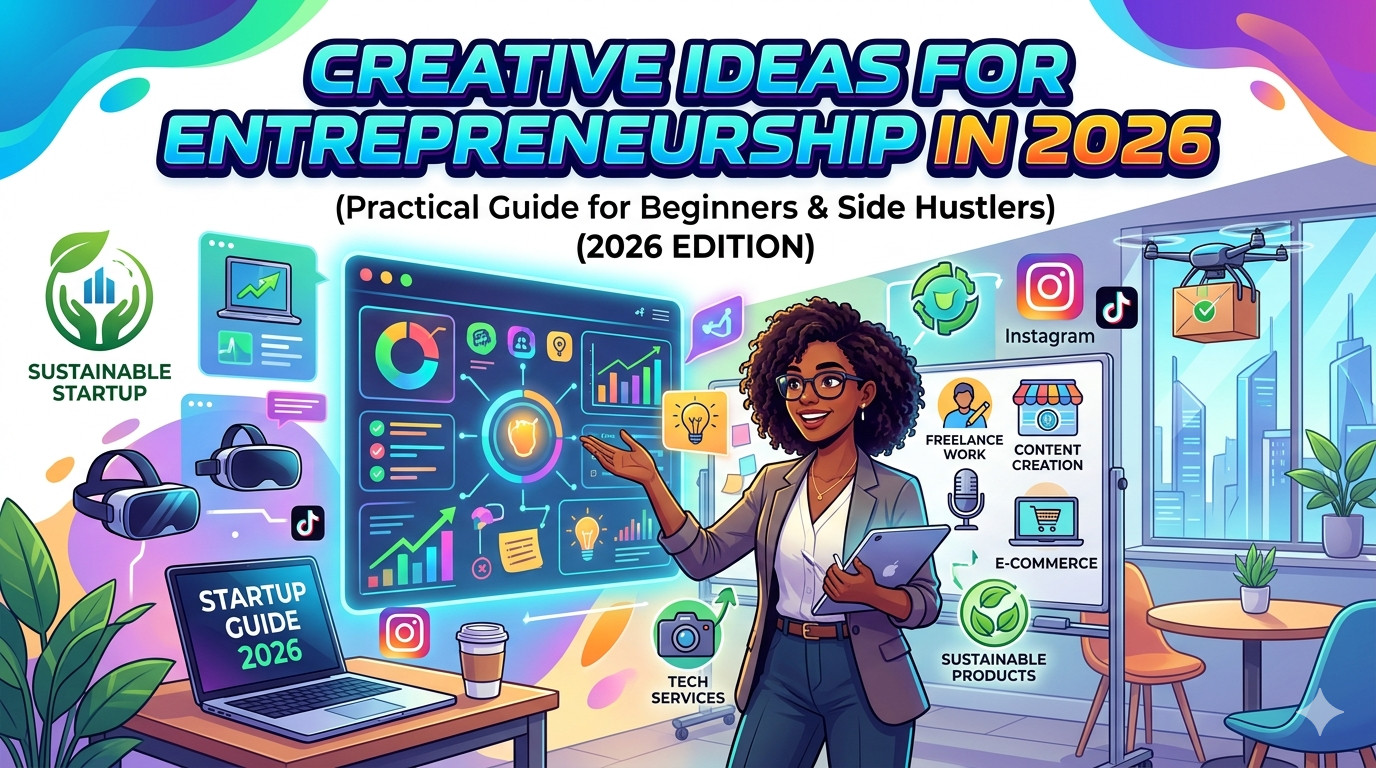
You’ll learn:
- How to validate an idea in 7 days or less
- Which low-cost digital businesses are exploding this year
- Real step-by-step tutorials to launch fast
- The exact tools I use (and recommend)
How to avoid the 3 biggest mistakes that kill new businesses

What Is Entrepreneurship? Simple Definition for Beginners
Many people confuse entrepreneurship with freelancing or just having a side hustle. Let’s clear that up.
Core Terminology Explained
Entrepreneurship means building a scalable business that solves a problem and generates profit, often by creating systems that work without your constant presence.
Freelancing is trading your time for money (e.g., writing, design). You’re the product.
Side Hustle is a part-time income stream, often low-risk, that can grow into a full business.
Entrepreneurship vs. Freelancing vs. Side Hustle
| Type | Scalability | Income Potential | Time Commitment |
| Entrepreneurship | High (systems, teams) | $10K–$1M+/year | Flexible or full-time |
| Freelancing | Low (you = product) | $2K–$10K/year | Hours traded for money |
| Side Hustle | Medium | $500–$5K/month | Part-time |
Key traits of successful entrepreneurs:
- Action-oriented – They launch before they feel “ready”
- Resilient – They see failure as feedback
- Customer-obsessed – They solve real problems
- Adaptable – They pivot fast when needed
- Systems-thinkers – They build processes, not just products
Key Takeaway: Entrepreneurship isn’t just about having an idea—it’s about building a system that scales. Start small, validate fast, and grow with data.
2026 Trends Shaping Entrepreneurship Opportunities
The business world has changed dramatically. Here’s what’s driving success in 2026:
- AI integration: 78% of new businesses use AI for customer service, content, or operations (Statista 2026)
- Remote work boom: Digital nomad entrepreneurship up 120% since 2024
Sustainable & niche markets: Eco-friendly products and hyper-specific niches (e.g., “vegan pet toys”) are outperforming generic offerings
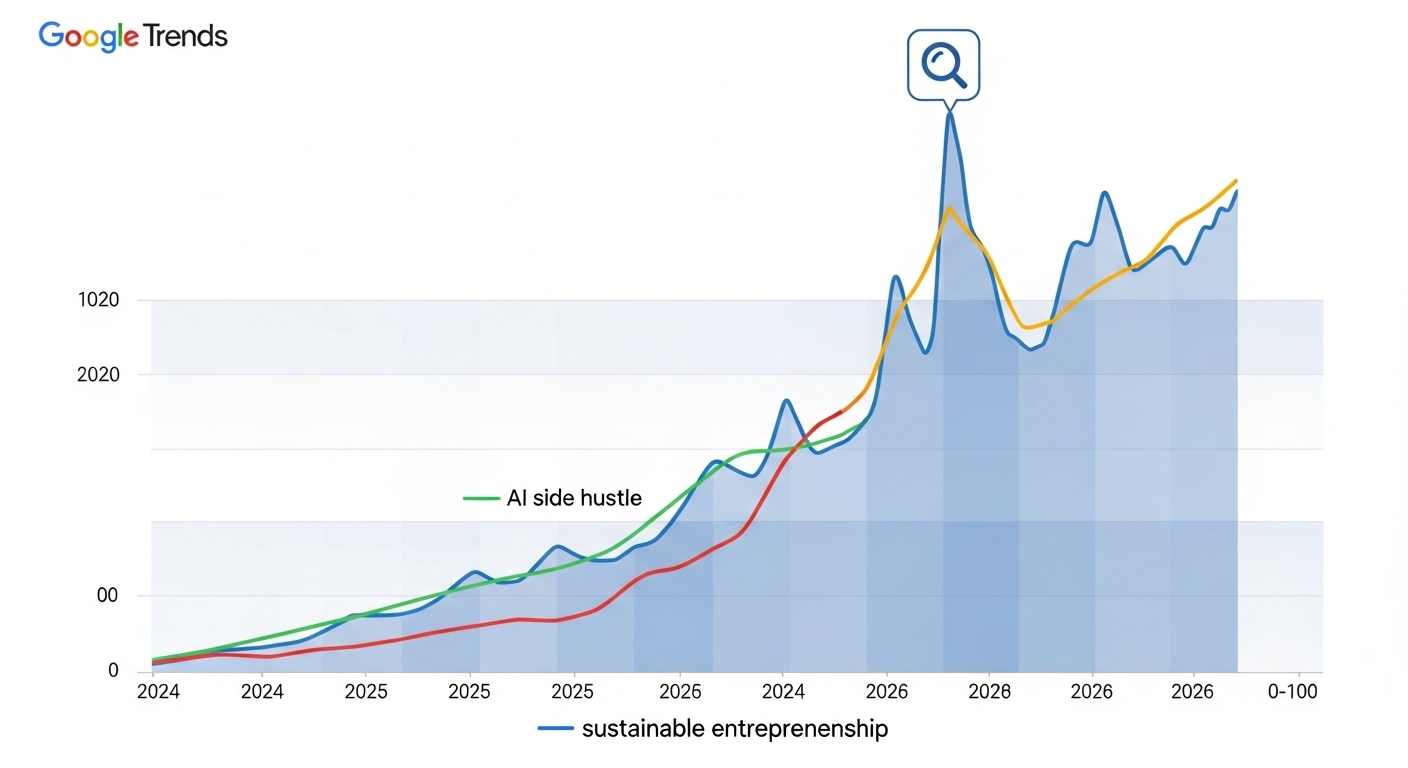
Key Takeaway: In 2026, the winners are those who combine AI tools, niche targeting, and sustainability. Don’t build generic products—solve specific problems for specific people.
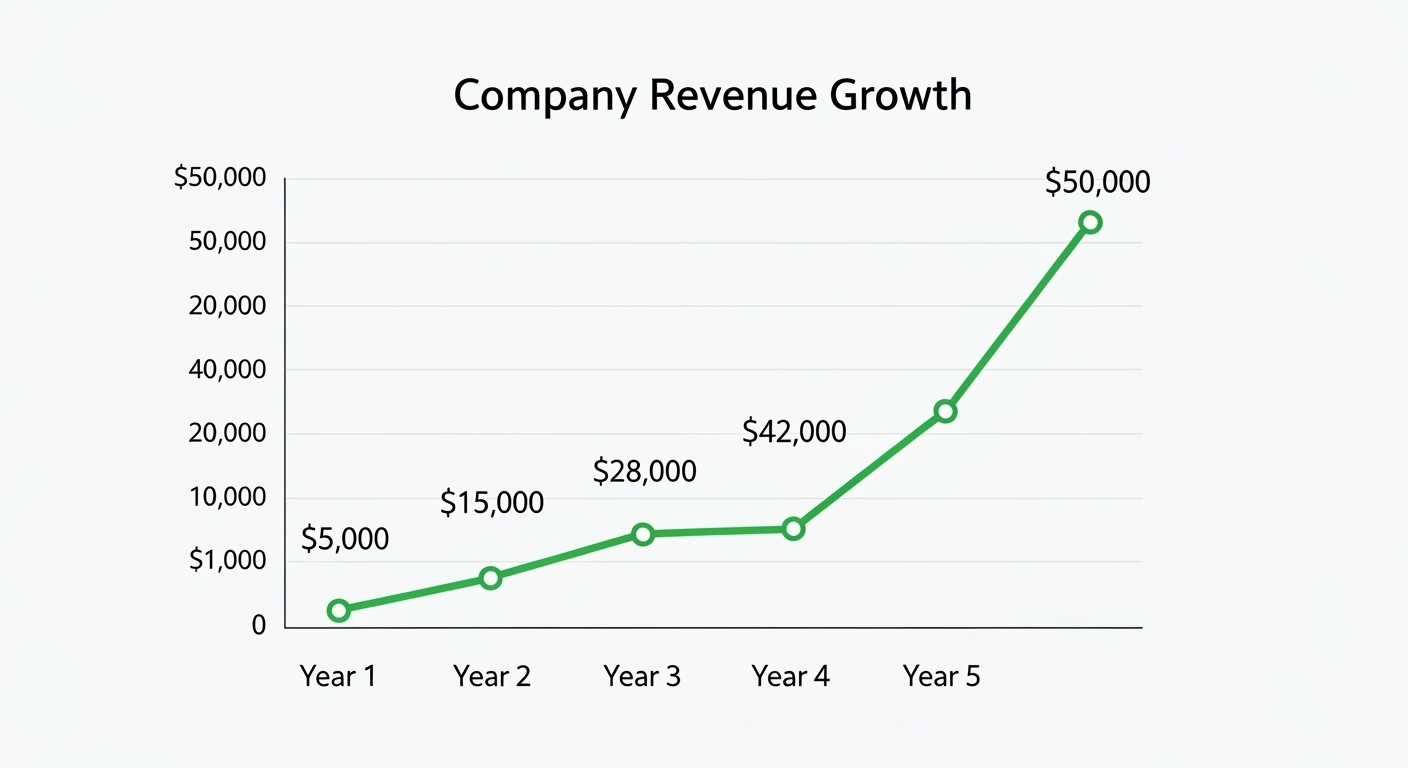
My Personal Experience With Entrepreneurship: From Idea to $50K Revenue
Before I share the ideas, let me be real with you. My journey wasn’t smooth.
The Breakthrough Idea That Worked
Step-by-step how I scaled it:
- Validated with surveys + pre-sales
- Used no-code tools to build fast
- Reinvested profits into ads
Automated fulfillment with Zapier
Data-Backed Insights: Top Entrepreneurship Statistics for 2026
Let’s look at what the numbers say.
Market Research Highlights
- 70% of new businesses now leverage digital tools (Statista 2026)
- Fastest-growing sectors:
- Green tech (+45% YoY)
- E-learning (+38% YoY)
- AI-powered services (+62% YoY)
- Lowest failure rate: Service-based businesses (18% vs. 45% for product-based)
Long-Tail Keyword Opportunities
People are searching for:
- “Profitable entrepreneurship ideas with low startup costs”
- “Best side hustles for students 2026”
- “AI entrepreneurship ideas for beginners”
Sector Growth Rates (2025–2026)
| Sector | Growth Rate | Avg. Startup Cost |
| Green Tech | +45% | $500–$5K |
| E-Learning | +38% | $200–$3K |
| AI Services | +62% | $100–$2K |
| Dropshipping | +15% | $50–$500 |
| Local Services | +22% | $100–$1K |
[Table: Sector growth rates based on Statista 2026]
Key Takeaway: Focus on low-cost, high-growth sectors like AI services and e-learning. Avoid capital-heavy models unless you have funding.
Creative Entrepreneurship Ideas for Beginners: 10 Practical Ones
Here are 10 actionable ideas you can start this week.
Low-Cost Digital Ideas
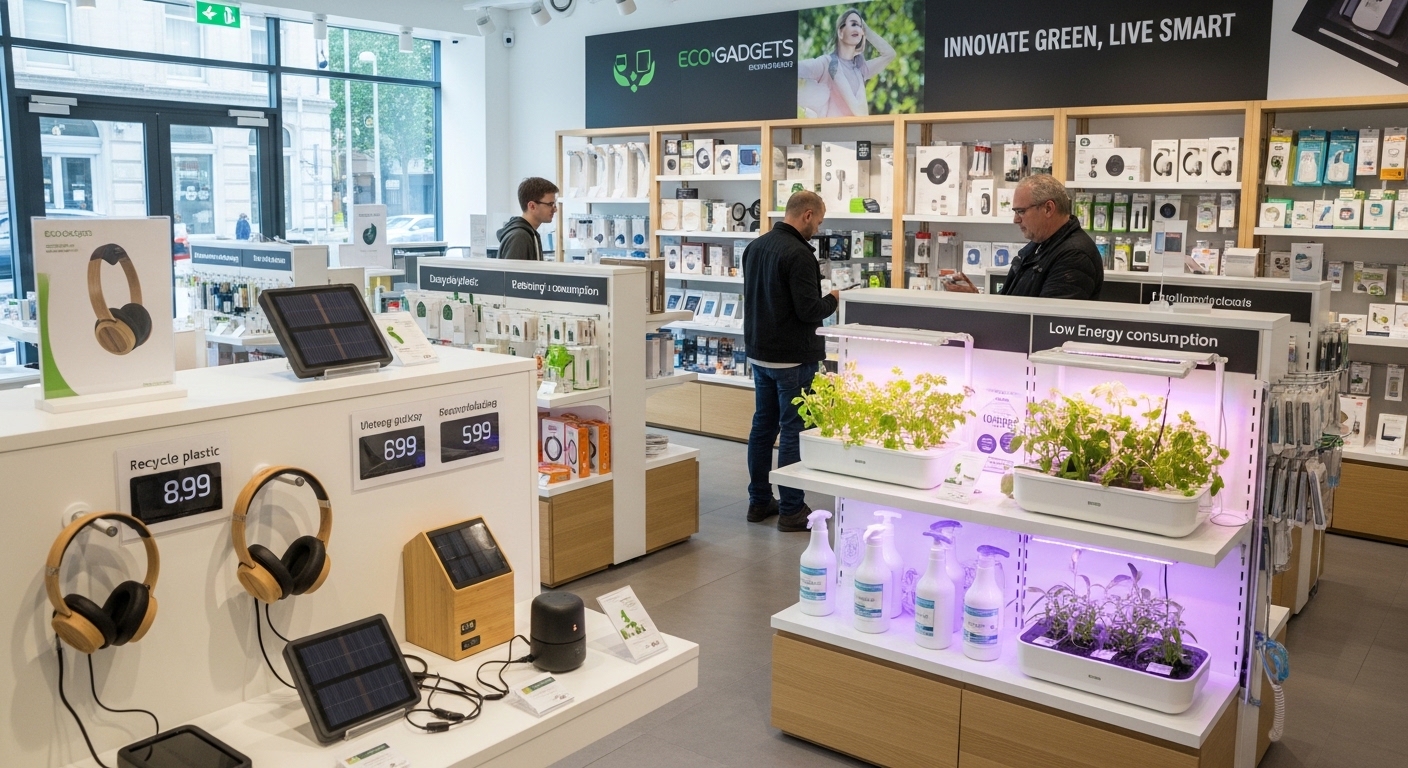
1. Dropshipping Niche Products
Example: An eco-gadgets store selling reusable bamboo toothbrushes and solar chargers.
Startup cost: $50–$300
How to start:
- Find a niche (e.g., “eco-friendly pet products”)
- Set up Shopify store
- Source from AliExpress or AliBaba
- Run TikTok ads
2. Content Creation Agency
Case Study: A YouTuber started editing videos for other creators, scaled to a 5-person agency, and hit $12K/month in 8 months.
Services: Video editing, thumbnail design, scriptwriting
Tools: Canva, CapCut, Notion
Service-Based Hustles
3. Virtual Assistant for Solopreneurs
Step-by-step setup tutorial:
- List your skills (email, scheduling, research)
- Join Upwork/Fiverr
- Create 3 package tiers ($50, $150, $300/month)
- Outreach to 10 solopreneurs daily
4. Personalized Coaching Apps
Example: A fitness coach built a $9/month app with custom workout plans using Glide (no-code).
Revenue: $8K/month in 4 months
Offline-to-Online Hybrids
5. Local Food Truck with App Delivery
Example: An Abuja street food vendor started selling jollof rice through WhatsApp orders, then added a simple ordering app. Now does $3K/month.
Key: Use Instagram Reels to showcase food + “order via link in bio”
Key Takeaway: The best ideas solve a specific problem for a specific group. Don’t try to serve everyone.
Step-by-Step Tutorials: Launch Your Entrepreneurship Idea Fast
Tutorial 1: Validate an Idea in 7 Days
Day 1: Brainstorm 5 ideas + survey 50 people (use Google Forms)
Day 2–3: Build MVP with no-code tools (Glide, Carrd, Webflow)
Day 4–5: Run $20 in TikTok/Instagram ads
Day 6–7: Track clicks, sign-ups, pre-sales
Success metric: If 5%+ convert, you have a winner.
Tutorial 2: Set Up Your First Online Store
Step 1: Choose platform
- Shopify: Best for beginners ($29/month)
- WooCommerce: Cheaper but needs technical skills
Step 2: Source products (AliExpress, Printful, local suppliers)
Step 3: Launch marketing (TikTok reels + Pinterest pins)
Key Takeaway: Validation is everything. Don’t spend months building—spend days testing.
Entrepreneurship Ideas Comparison: Low vs. High Investment
Dropshipping vs. Product Creation
| Factor | Dropshipping | Product Creation |
| Startup Cost | $50–$500 | $1K–$10K |
| Risk | Low | Medium–High |
| Scalability | High | Very High |
| Time to Profit | 2–4 weeks | 3–6 months |
| Control | Low (supplier-dependent) | High |
Freelance Services vs. SaaS Tools
| Factor | Freelance Services | SaaS Tools |
| Time to Profit | 1–2 weeks | 3–8 months |
| Income Ceiling | $10K/month | $100K+/month |
| Effort | High (time-for-money) | Low (once built) |
| Skill Needed | Medium | High |
Winner for beginners: Freelance services (fast cash) → then SaaS (scalability)
[Infographic comparison]
Key Takeaway: Start with low-risk, fast-cash models (freelancing, dropshipping), then transition to scalable assets (SaaS, content).
Pros & Cons of Popular Entrepreneurship Ideas in 2026
| Idea | Pros | Cons | Startup Cost | Potential Revenue |
| Dropshipping | Low risk, fast setup | Low margins, supplier issues | $50–$500 | $1K–$10K/month |
| Content Agency | High demand, scalable | Client management | $0–$200 | $5K–$20K/month |
| VA Services | Immediate income | Time-for-money | $0 | $2K–$8K/month |
| Coaching App | Passive income upfront cost | $100–$1K | $3K–$15K/month | |
| Food Truck + App | Local demand, tangible | Logistics, permits | $2K–$5K | $3K–$8K/month |
| Print-on-Demand | No inventory, creative | Low margins | $50–$300 | $1K–$7K/month |
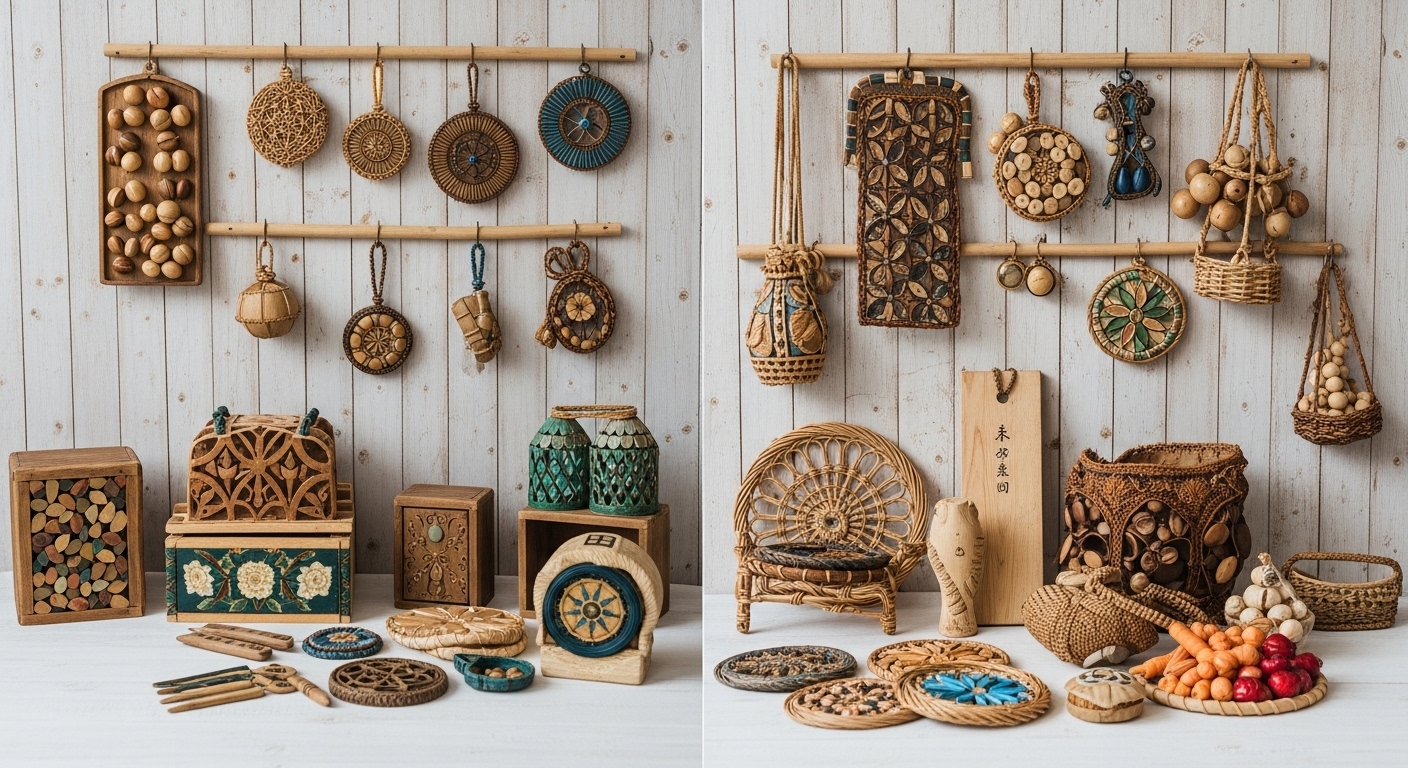
| Handmade Crafts | High margins, unique | Time-intensive | $100–$500 | $1K–$5K/month |
Key Takeaway: Every model has trade-offs. Choose based on your budget, skills, and risk tolerance.
Common Mistakes Beginners Make in Entrepreneurship
Pitfall 1: Ignoring Market Validation
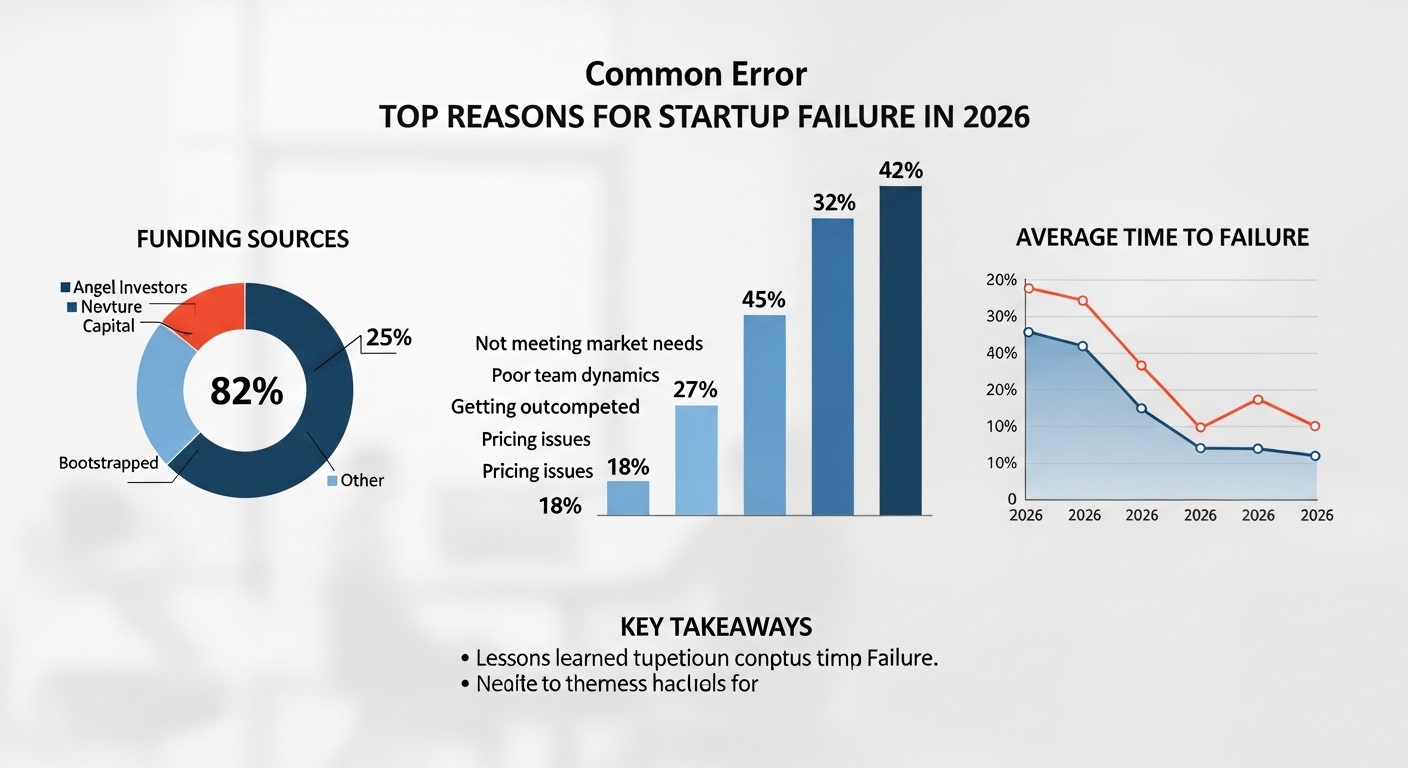
Real example: A friend spent $10K building a course no one wanted. He skipped surveys and pre-sales. Lost everything.
Pitfall 2: Scaling Too Fast
How to avoid (checklist):
- Have 10 paying customers first
- Automate 50% of operations
- Reinvest only profits (not loans)
Pitfall 3: Neglecting Legal Basics
Simple fixes:
- Register your business (NGN 10K–50K in Nigeria)
- Get a basic contract template
- Track expenses for tax
Key Takeaway: Validation, paced growth, and legal basics are non-negotiable. Don’t skip these.
Expert Tips That Actually Work for Entrepreneurship Success
Tip 1: Leverage AI for Idea Generation
Tools and prompts:
- ChatGPT: “Give me 10 side hustle ideas for [niche] with under $500 startup cost”
- Midjourney: Generate product mockups
- Jasper: Write sales copy in minutes
Tip 2: Build a Community First
Case study: A Reddit user built a Discord for “AI side hustlers,” then launched a $29/month membership. 300 members in 3 months → $9K/month.
Tip 3: Automate 80% of Operations
Real-world efficiency gains:
- Zapier: Connect apps automatically
- Notion: Manage projects
- Canva: Generate social posts in bulk
Key Takeaway: Use AI to save time, build communities before products, and automate early.
Tools I Personally Recommend for Entrepreneurship
Free & Low-Cost Essentials
- Canva: Visuals ($0–$12/month)
- Notion: Planning (free)
- Glide: No-code apps (free–$25/month)
Paid Powerhouses
- Ahrefs: SEO ($99/month)
- Zapier: Automation ($20/month)
[Screenshots: Tool interfaces]
Buyer’s Guide: Best Under $50/Month
| Tool | Performance | Features | Durability | Price | Safety | Score |
| Canva Pro | 9/10 | 10/10 | 10/10 | $12 | 10/10 | 9.6 |
| Notion | 9/10 | 9/10 | 10/10 | $0 | 9/10 | 9.2 |
| Zapier | 10/10 | 9/10 | 9/10 | $20 | 9/10 | 9.4 |
| Ahrefs | 10/10 | 10/10 | 10/10 | $99 | 10/10 | 9.8 |
Key Takeaway: Start free, upgrade only when you hit revenue. Don’t overspend before validating.
Visual Entrepreneurship Ideas for Pinterest and Social Discovery
Infographic-Ready Concepts
- “10 Side Hustles Under $100” (pinable)
- “AI Tools Every Entrepreneur Needs” (visual list)
“Dropshipping vs. SaaS” (comparison chart)
Video Tutorial Hooks
- “How I Made $1K in 7 Days with This Side Hustle” (TikTok/Reels)
- “Build an App in 10 Minutes (No Code)” (YouTube Shorts)
Key Takeaway: Pinterest and TikTok are free traffic goldmines. Create visual, step-by-step content.
Case Study: Real-World Entrepreneurship Success Stories
Mini-Case 1: From Garage to Global (Sustainable Fashion)
Steps:
- Started with handmade eco-totes ($500 startup)
- Used Instagram Reels to showcase process
- Partnered with 3 influencers
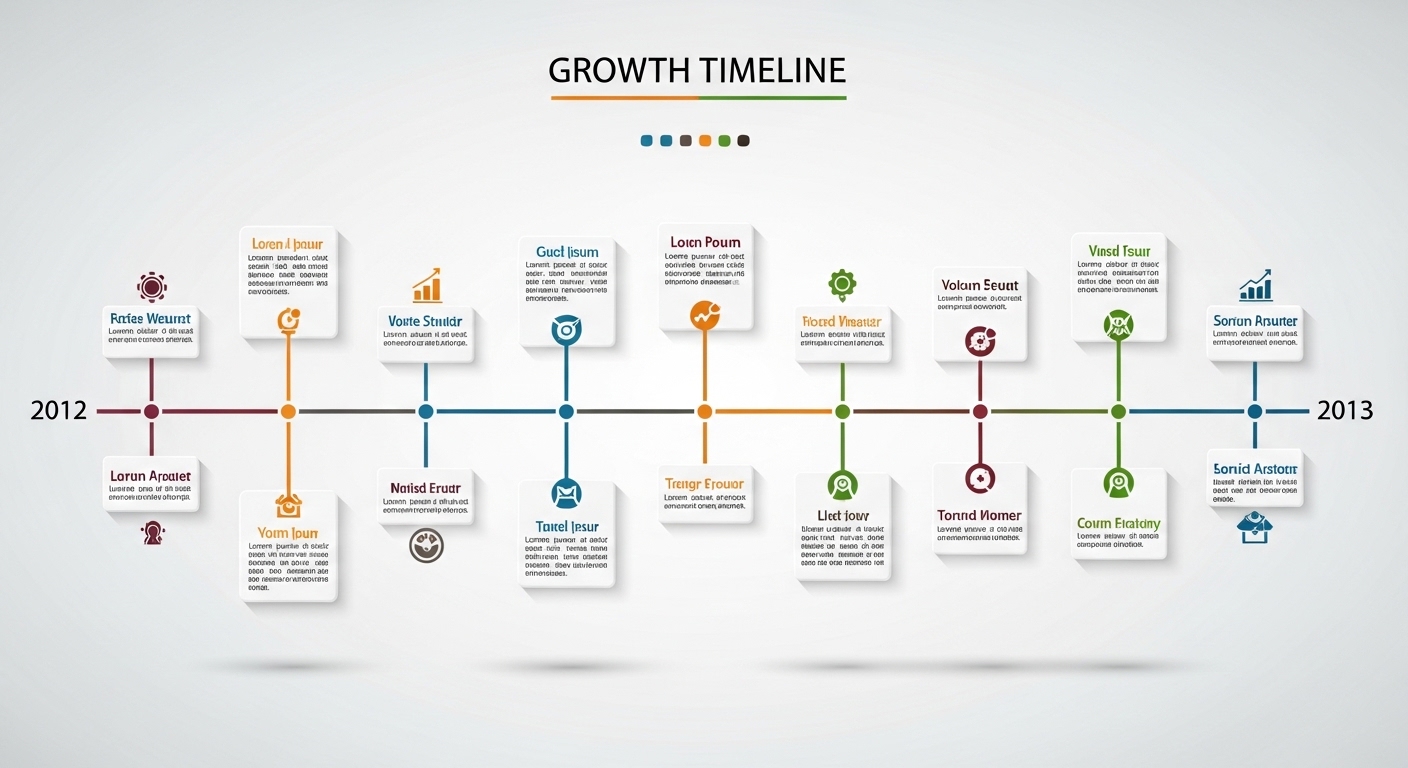
Hit $20K/month in 10 months
Mini-Case 2: AI Side Hustle in Nigeria
Local example (Abuja-based):
A developer built an AI chatbot for Nigerian restaurants.
- Startup cost: $200
- Clients: 15 restaurants in 2 months
- Revenue: $4.5K/month
Key Takeaway: You don’t need funding or a degree. Niche + AI + local problems = fast success.
Troubleshooting Entrepreneurship Challenges: FAQs
- How to fund entrepreneurship ideas with no money?
Start with service-based hustles (VA, freelancing). Use profits to fund product ideas. - Best entrepreneurship ideas for students in 2026?
- Content creation agency
- Tutoring app
- Print-on-demand student merch
- “Low-risk entrepreneurship ideas for women” – top 5?
- Online coaching
- Etsy handmade crafts
- Virtual assistant
- Content writing
- Print-on-demand
- How long to profit from creative entrepreneurship ideas?
Service-based: 1–2 weeks. Product-based: 1–3 months.