Essential Beginner Blogging Tips for Success


Choosing the Right Niche
Selecting the right niche is a crucial step for any aspiring blogger. A well-defined niche not only aligns with the blogger’s passions but also meets the needs of the target audience, ensuring long-term engagement and relevance. By honing in on a specific area, bloggers can establish their expertise and build a dedicated readership.
To begin the process of choosing a niche, it is essential to conduct thorough market research. This involves analyzing current trends, identifying gaps in existing content, and understanding the audience’s interests. Utilizing tools like Google Trends or social media analytics can provide valuable insights into what topics are gaining popularity and which demographics are engaging with them. Additionally, exploring online forums and communities can reveal potential areas of interest that resonate with a specific audience, allowing bloggers to tailor their content accordingly.
Targeting a specific audience is another critical factor in niche selection. It is not enough to choose a broad topic; instead, bloggers should define their audience’s characteristics, preferences, and pain points. This can be accomplished by creating audience personas, which help clarify the type of readers they aim to attract. By addressing specific needs and challenges, bloggers can distinguish themselves in a crowded market and foster a loyal following.
As bloggers refine their niche ideas, they should strive to strike a balance between personal interest and market demand. This may involve brainstorming potential topics, evaluating personal strengths, and assessing competition. Ultimately, the goal is to create a unique space that fulfills both the blogger’s passions and the audience’s requirements, ensuring the blog remains engaging and relevant over time.
Creating Engaging Content
Producing high-quality content that resonates with your audience is crucial for any blogging endeavor. Engaging content not only attracts readers but also encourages them to return for more. To begin, it is essential to identify the types of content that appeal most to your target demographic. This could range from tutorials that provide practical advice, listicles that offer quick insights, or personal stories that foster a connection with readers. Understanding your audience’s preferences and interests is the bedrock of engaging content creation.
Additionally, storytelling plays a significant role in capturing the attention of readers. A well-crafted narrative can evoke emotions, making your content more relatable and memorable. When readers connect with a story, they are more likely to engage with the message you are communicating. Incorporating anecdotes or case studies helps to personalize your writing and creates a compelling experience for your readers. This technique encourages interaction, as readers feel more inclined to share their thoughts and experiences in the comments or on social media.

For optimal readability, structuring your blog posts is essential. Use headings, subheadings, bullet points, and short paragraphs to break up the text, making it easier for readers to digest information. Proper formatting not only enhances the overall appearance of your posts but also improves user experience. Additionally, maintaining a consistent voice that reflects your personality across various posts helps to build trust and brand identity. Authenticity is vital; readers appreciate transparency and genuine insights. As such, staying true to your values and experiences can further enrich your content, reinforcing your connection with your audience. By integrating these strategies effectively, you can significantly enhance the engagement level of your blog posts.
Optimizing for SEO
Search Engine Optimization (SEO) is a crucial component for any blog aiming to drive organic traffic. By understanding and implementing effective SEO strategies, bloggers can enhance their visibility in search engine results, ultimately reaching a broader audience. The foundation of a successful SEO approach begins with comprehensive keyword research. Identifying relevant keywords and phrases that potential readers may use when searching for information is vital. Tools like Google Keyword Planner and SEMrush can help in uncovering these keywords, allowing bloggers to tailor their content accordingly.

Once the appropriate keywords are established, on-page SEO becomes essential. This entails incorporating keywords naturally within various elements of the blog post, including the title, meta descriptions, headers, and throughout the body content. Utilizing header tags correctly not only enhances readability but helps search engines comprehend the structure and context of the content. Moreover, crafting catchy meta tags can significantly influence click-through rates, making it imperative to optimize these areas effectively.
The significance of quality backlinks cannot be overstated in the realm of SEO. Backlinks act as endorsements from other reputable websites, signaling to search engines that the content is credible and valuable. Engaging in guest blogging or collaborating with others in the niche can be effective strategies for acquiring these backlinks. Moreover, fostering relationships within the blogging community may lead to additional backlink opportunities.
Monitoring and analyzing blog performance through SEO tools such as Google Analytics and Ahrefs is instrumental in gauging success and identifying areas for improvement. These tools provide insights into user behavior, popular content, and traffic sources, enabling bloggers to refine their strategies continually. By effectively focusing on these SEO fundamentals, bloggers can improve their chances of achieving lasting success in the digital landscape.
Promoting Your Blog
Promoting your blog effectively is crucial in increasing its visibility and attracting a larger readership. One of the most impactful strategies involves leveraging social media marketing. By creating tailored content for platforms such as Facebook, Twitter, Instagram, and Pinterest, you can engage with your target audience strategically. Consistent posting and interaction with followers foster a community around your blog, encouraging shares and interactions that extend your reach significantly.

Guest blogging presents another opportunity for promotion. This involves writing for established blogs within your niche, allowing you to tap into their existing audience. In your guest posts, ensure to provide valuable insights and relevant links back to your blog, which can drive traffic and enhance your credibility. This reciprocal approach not only benefits your visibility but also builds relationships within the blogging community.
Email marketing remains one of the most reliable methods for engaging readers. Building an email list allows you to send newsletters, updates, and exclusive content directly to subscribers, keeping them informed and interested in your blog. Utilize attractive sign-up forms on your blog and offer incentives, such as free eBooks or exclusive content, to encourage sign-ups.
Engaging with online communities is another effective way to promote your blog. Platforms like Reddit, Quora, and niche forums allow you to share your expertise and insights, positioning yourself as a knowledgeable resource while subtly promoting your blog. However, it’s essential to contribute genuinely rather than overtly promote, as community members appreciate authentic interactions.
Lastly, focus on creating shareable content. Articles that evoke strong emotions, provide useful information, or entertain readers tend to be shared more frequently on social media. Utilize online tools to analyze engagement metrics and optimize your promotion strategies based on audience preferences, continually refining your approach for maximum impact.
Building Authority and Credibility
Establishing authority and credibility in the blogging niche is crucial for nurturing a loyal readership and fostering trust among potential followers. One effective method is to demonstrate expertise through well-researched and thoughtful content. Readers are more likely to return to a blog that presents accurate information supported by credible sources, such as studies, expert opinions, and data. By consistently delivering high-quality posts that address the needs and interests of your audience, you create a solid foundation of authority.
Networking with other bloggers can also enhance your standing within the niche. Engaging with peers through guest posts, collaborative projects, or social media platforms helps in broadening your reach while allowing you to share valuable insights. This not only contributes to your visibility but also encourages reciprocal relationships, further establishing your position as a reliable source in your field. Furthermore, participating in relevant forums and online communities can boost your credibility, as it opens up opportunities to share your knowledge and connect with others interested in the same topics.
Sharing personal insights and experiences is another effective way to build authority. By being authentic and relatable, you can forge a deeper connection with your readers. Readers appreciate genuine stories that reflect both successes and challenges, which can help them feel more engaged and inclined to trust your expertise. Remember that consistency plays a vital role as well; regular updates to your blog and continual interaction with your audience demonstrate commitment and reliability. This persistent effort will gradually reinforce your credibility over time, encouraging readers to view you as a respected authority in the blogging niche.
Monetizing Your Blog Effectively
As a beginner blogger, understanding how to monetize your blog effectively is crucial for sustainability and growth. There are several monetization strategies available, each with its own set of advantages and challenges. One popular approach is affiliate marketing, where bloggers earn a commission by promoting products or services. By selecting affiliate products that are relevant to your niche, you can create valuable content that resonates with your audience while generating income. It is essential to disclose affiliate relationships to maintain trust with your readers.

Another effective monetization method is through sponsored posts. In this scenario, brands pay bloggers to create content that features their products or services. Sponsored posts can provide substantial income, but it is vital to ensure that the sponsored content aligns with your blog’s theme and audience interests. Maintaining honesty and transparency with your readers about the sponsorship will enhance credibility and long-term relationships.
Product creation offers a more hands-on approach to monetization. As your blogging expertise grows, consider developing digital products such as e-books, online courses, or templates that offer value to your audience. This not only positions you as an authority in your niche but also allows for higher profit margins compared to traditional advertising methods.
Lastly, advertising is a straightforward monetization strategy, with options ranging from pay-per-click networks to direct ad sales. Utilizing ad networks like Google AdSense can provide passive income streams; however, it is essential to consider the balance between ad placements and user experience. Your content’s quality should not be compromised for the sake of advertising revenue.
By exploring these various monetization strategies and selecting those that best align with your blog niche and audience preferences, you can create a sustainable income stream while maintaining the integrity of your content. Establishing a clear monetization plan is a crucial step in your blogging journey.
Understanding Your Audience
Recognizing and understanding your audience is a paramount step in establishing a successful blog. The effectiveness of your content hinges on tailoring it to the preferences, interests, and needs of your readers. One effective method for gathering insights about your audience is to create reader personas. These personas are semi-fictional characters that represent segments of your audience, constructed through research and data analysis. By identifying key demographics, such as age, location, interests, and pain points, you can develop content that resonates with these target groups.

Additionally, surveys can serve as a powerful tool for uncovering the opinions and expectations of your audience. Conducting online surveys allows you to directly inquire about what topics your readers find compelling, what challenges they face, and how your blog can assist them. Utilize questions that encourage open-ended answers to gain deeper insights into their experiences and preferences. Surveying your audience not only provides valuable data but also fosters a sense of involvement and loyalty among your readers.
Tracking analytics is another vital way to comprehend your audience’s behavior. By utilizing tools such as Google Analytics, bloggers can monitor various metrics, including page views, bounce rates, and user demographics. This data can help identify which content performs best, what formats engage readers, and how users navigate through your site. Understanding these patterns enables you to adapt your content strategy effectively.
Engaging with your audience on social media and through blog comments is equally important. Direct communication allows for real-time feedback and fosters a community around your blog. By actively engaging with readers, you not only encourage loyalty but also gather insights that can shape future content directions. Ultimately, understanding your audience through these methods ensures that your blog remains relevant and impactful.
Consistency is Key
Establishing a consistent posting schedule is a fundamental aspect of successful blogging. Regular updates not only keep your audience engaged but also create a sense of expectation. When readers know when to expect new content, they are more likely to return to your blog consistently. Moreover, search engines tend to favor consistently updated content, which can improve your site’s visibility and search rankings.

To maintain consistency, it is essential to develop a content plan that aligns with your goals and the interests of your target audience. Begin by outlining key topics or themes that resonate with your readers. This approach helps to streamline your writing process and ensure you are addressing relevant subjects. Additionally, consider using an editorial calendar. This tool allows you to visualize your posting schedule, making it easier to allocate time for research, writing, and editing. An editorial calendar can also help you track important dates, such as holidays or relevant events, which can inform timely content creation.
Setting realistic blogging goals is equally important. Assess your available time and resources to determine how frequently you can publish new content without sacrificing quality. For instance, if you can commit to posting once a week, stick to that plan. Aiming for daily posts may sound appealing, but it might lead to burnout and reduced content quality. Furthermore, embracing flexibility is beneficial; if unexpected obligations arise, adjusting your posting schedule is acceptable as long as you communicate changes to your audience.
Ultimately, consistency builds trust and loyalty among your readers. By maintaining a reliable posting routine and producing high-quality content, you cultivate an engaged community eager to return for more. This consistency is not only central to your success as a blogger, but it also enhances the overall reader experience.
Leveraging Analytics for Growth
In the realm of blogging, understanding the intricacies of your audience and how they interact with your content is vital. Utilizing analytics tools can significantly enhance your ability to monitor blog performance and gain insights into visitor behavior. By tracking key metrics, bloggers can uncover important patterns and trends that inform their content strategy and promotional efforts.
Key metrics to consider include page views, bounce rates, average session duration, and user demographics. Page views indicate how many times your content has been accessed, serving as a primary indicator of reach. A high bounce rate may suggest that visitors are not finding what they expect on your blog, prompting a review of your content or layout. Average session duration reveals how long visitors engage with your blog, allowing you to assess content effectiveness and overall user interest. Additionally, understanding user demographics helps tailor content to meet the preferences and needs of your audience.
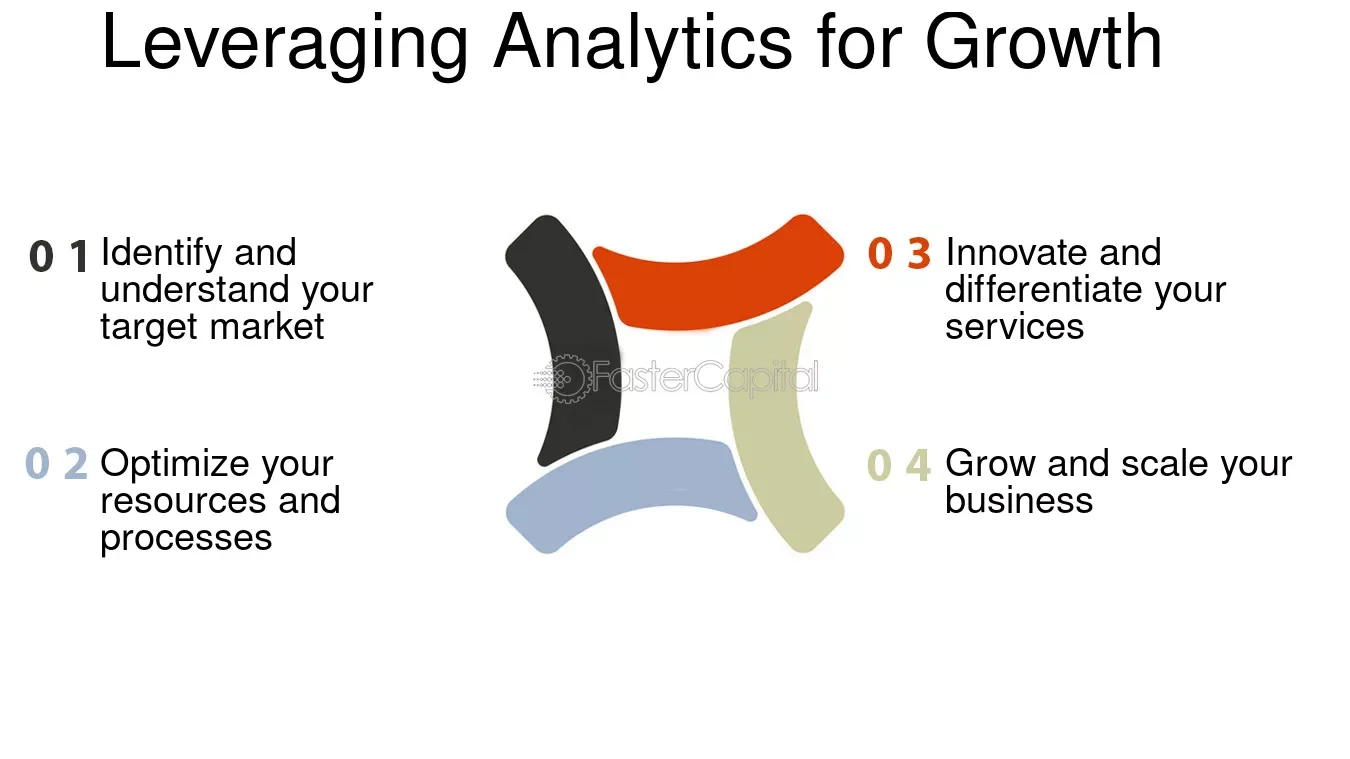
By continuously evaluating these metrics, bloggers can derive actionable insights that guide their future content strategy. For instance, if a particular topic generates considerable traffic, it may be worth exploring further or expanding upon in future posts. Conversely, content that yields little engagement can be revised or replaced to avoid stagnation. Moreover, analytics can aid in optimizing promotional efforts, ensuring that marketing campaigns target the most responsive segments of your audience.
Incorporating these practices encourages informed decision-making, driving continuous improvement in blog performance. As you leverage analytics, focus on testing different approaches and observing their impact; this iterative process is key to discovering what resonates most with readers. Ultimately, effectively utilizing analytics empowers bloggers to create more engaging and relevant content, fostering sustained growth and success in the blogging landscape.