what are the 4 p’s of business

The concept of the 4 P’s of Business, also known as the marketing mix, is one of the most important foundations in business and marketing studies. It explains the four key elements that every business must carefully plan and manage in order to successfully introduce, sell, and sustain a product or service in the market. These four elements are Product, Price, Place, and Promotion. Together, they help businesses understand customer needs, create value, and achieve competitive advantage. No matter the size of a business—whether a small startup or a multinational corporation—the 4 P’s play a critical role in shaping marketing strategies and business success.
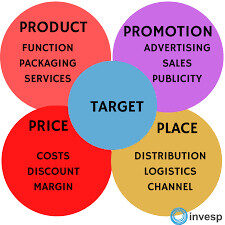
At its core, the 4 P’s framework helps businesses answer essential questions. What exactly are we selling? How much should it cost? Where should customers find it? And how do we communicate its value to them? When these questions are answered thoughtfully and consistently, a business is more likely to attract customers, build trust, and generate long-term profits. Each of the four P’s is closely connected, meaning a change in one element often affects the others. Because of this, businesses must treat the 4 P’s as a unified strategy rather than separate decisions.
Product
The product is the starting point of the 4 P’s because without a product or service, there is nothing to sell. A product refers to anything a business offers to satisfy a customer’s needs or wants. This can include physical goods such as clothing, electronics, or food items, as well as services like education, transportation, healthcare, or digital subscriptions. A product is not limited to the item itself; it also includes features, quality, design, branding, packaging, warranties, and customer support.
A successful product is one that provides value to customers. This value may come from solving a problem, improving comfort, saving time, or delivering enjoyment. Businesses must conduct research to understand their target market and identify what customers truly need. For example, a smartphone company must consider battery life, camera quality, design, software, and price expectations when developing a new phone. If the product does not meet customer expectations, even the best pricing or promotion strategy may fail.

Product development is an ongoing process. Customer needs change over time due to technology, trends, and lifestyle shifts. As a result, businesses must continuously improve existing products or introduce new ones to stay relevant. This may involve upgrading features, improving quality, redesigning packaging, or adding complementary services. Strong product management helps businesses maintain customer loyalty and differentiate themselves from competitors.
Price
Price refers to the amount of money customers pay to obtain a product or service. Pricing is a crucial decision because it directly affects revenue, profit, and market positioning. A product priced too high may discourage potential customers, while a product priced too low may reduce profitability or create the impression of poor quality. Therefore, businesses must find a balance that reflects the value of the product while remaining competitive.
Several factors influence pricing decisions. These include the cost of production, distribution expenses, competitor pricing, customer demand, and the overall economic environment. Businesses also consider the perceived value of the product. For example, luxury brands often charge higher prices not only because of quality but also because of brand image and exclusivity. On the other hand, budget brands focus on affordability to attract price-sensitive customers.
Pricing strategies vary depending on business goals. Some businesses use penetration pricing by setting low prices to enter a competitive market and attract customers quickly. Others use premium pricing to position their product as high-quality or exclusive. Discounts, promotions, and flexible payment options can also influence customer buying decisions. Effective pricing supports both customer satisfaction and long-term business sustainability.
Place
The place element focuses on how a product or service is made available to customers. It involves distribution channels, locations, logistics, and accessibility. The goal of place is to ensure that customers can easily find and purchase the product at the right time and in the right quantity. A strong distribution strategy connects the product with the target market efficiently.

Traditionally, place referred to physical locations such as shops, markets, supermarkets, and shopping malls. However, with the growth of technology, online platforms have become a major distribution channel. Businesses now sell through websites, mobile apps, social media platforms, and online marketplaces. Choosing the right place depends on where the target customers are most likely to shop.
Effective distribution reduces costs and improves customer convenience. For example, a food delivery service focuses on fast logistics and local availability, while an international company may rely on wholesalers and distributors across different regions. Poor distribution can limit sales even if the product is high-quality and well-priced. Therefore, businesses must invest in reliable supply chains and distribution systems.
Promotion
Promotion refers to all the activities a business uses to communicate with customers about its product or service. The main purpose of promotion is to create awareness, inform customers, persuade them to buy, and remind them of the product’s value. Promotion plays a key role in shaping brand image and influencing customer perception.
Promotion includes various methods such as advertising, social media marketing, public relations, personal selling, sales promotions, and word-of-mouth marketing. Advertising through television, radio, print media, and online platforms helps reach a wide audience. Social media has become especially important because it allows businesses to engage directly with customers and build relationships.

An effective promotion strategy clearly communicates the benefits of the product and addresses customer needs. It must be consistent with the product’s price and positioning. For example, a premium brand will use elegant and professional promotional messages, while a youth-focused brand may use informal language and digital platforms. Promotion helps businesses stand out in competitive markets and drive customer action.
The Relationship Between the 4 P’s
The strength of the 4 P’s lies in how they work together. A successful marketing strategy requires alignment among product, price, place, and promotion. If one element is weak or inconsistent, it can affect the overall effectiveness of the strategy. For instance, a high-quality product promoted as a luxury item must have a price and distribution channel that match its premium image.
Businesses often review and adjust the 4 P’s in response to market changes. New competitors, changing customer preferences, and economic conditions may require updates to pricing, promotion, or distribution strategies. Flexibility and continuous evaluation are essential for long-term success.
Importance of the 4 P’s in Business
The 4 P’s provide a clear framework for planning and decision-making. They help businesses focus on customer needs while achieving organizational goals. By using the 4 P’s, businesses can reduce risks, improve efficiency, and create stronger connections with customers.
For students and entrepreneurs, understanding the 4 P’s builds a solid foundation in marketing and business management. It encourages strategic thinking and helps individuals analyze real-world business situations effectively.
In conclusion, the 4 P’s of Business—Product, Price, Place, and Promotion—**are essential elements of a successful marketing strategy. They guide businesses in creating valuable products, setting appropriate prices, choosing effective distribution channels, and communicating clearly with customers. When carefully planned and well-balanced, the 4 P’s help businesses attract customers, build strong brands, and achieve sustainable growth. Understanding and applying the 4 P’s is a vital skill for anyone interested in business, marketing, or entrepreneurship.