
Introduction
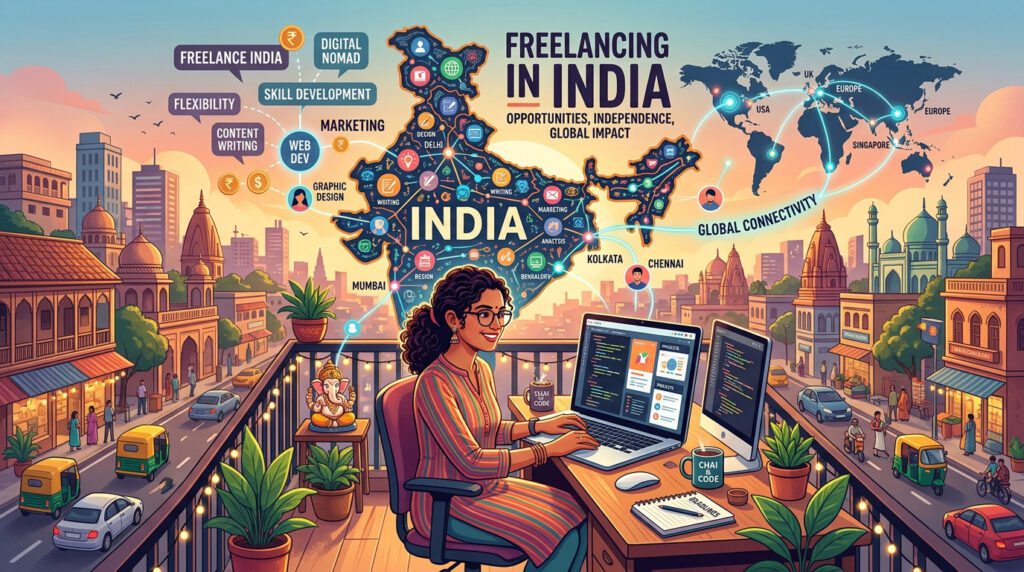
Freelancing has gained significant traction in India, especially with the rapid advancements in technology and connectivity. As of 2026, the concept of freelancing has transformed into a prominent career option for many individuals who seek independence and flexibility in their work schedules. Traditionally viewed as a side gig, freelancing now offers diverse opportunities across various sectors, allowing individuals to earn competitive incomes while working with clients globally.
The popularity of freelancing among the Indian workforce can be attributed to several factors. Firstly, with the rise of the gig economy, more professionals are opting for contract work rather than conventional full-time positions. This shift allows for a greater work-life balance, enabling freelancers to choose projects that align with their interests and expertise.
Moreover, the benefits of freelancing are manifold. For one, it grants individuals the flexibility to work from virtually anywhere, whether from the comfort of their homes or while traveling. This geographical independence has opened doors for many, especially in a country as diverse as India. Additionally, freelancing offers the potential for lucrative earnings, often exceeding traditional salaries, especially in fields like technology, writing, graphic design, and digital marketing.
As globalization continues to break down barriers, Indian freelancers are increasingly tapping into international markets, allowing them to earn in USD—a significant advantage given the currency exchange rates. This growth presents a substantial opportunity for individuals to leverage their skills in an increasingly competitive and interconnected world.
In summary, freelancing in India represents a dynamic and evolving career path, characterized by flexibility, earning potential, and the opportunity to engage with a global client base. As the landscape continues to develop, it stands out as a viable option for those looking to embark on a fulfilling professional journey.
Essential Freelance Skills in Demand
As we navigate the evolving landscape of freelancing in 2026, several skills have emerged as highly sought after in the market. The growth in digital platforms and remote working has amplified the demand for freelancers proficient in particular areas, making it easier for those with zero experience to enter the freelance field and earn in USD.
One of the most in-demand skills is content writing. With the increased emphasis on content marketing, businesses are consistently on the lookout for talented writers who can create engaging articles, blogs, and social media content. The ability to express ideas clearly and compellingly is essential for driving traffic and enhancing brand visibility, which makes skilled content writers highly valuable. Freelancers in this domain can expect to earn anywhere from $15 to $50 per hour, depending on their expertise and project complexity.
Graphic design stands out as another key area of demand. In today’s visually-driven marketplace, companies require unique designs for logos, advertisements, and digital interfaces. Freelancers who are adept in graphic design can leverage platforms like Adobe Creative Suite to produce appealing visuals. Their earning potential ranges from $20 to $75 per hour, depending on their portfolio and client base.
Moreover, web development is crucial as businesses aim to establish a strong online presence. Freelancers who possess skills in HTML, CSS, JavaScript, and other programming languages can create and maintain websites. Given the technical expertise required, web developers can command higher rates, often earning between $30 and $100 per hour.
Lastly, virtual assistance is gaining traction as companies opt to hire remote support for tasks ranging from administrative work to customer service. This area is particularly appealing for freelancers looking to start with minimal experience, as it generally requires organizational skills rather than specialized technical abilities. The typical pay for virtual assistants can vary from $10 to $30 per hour.
How to Identify Your Niche
Choosing a specific niche is crucial for anyone looking to start freelancing in India, especially for individuals without prior experience. Identifying a niche not only leverages your unique skills and interests but also aligns them with market demand, significantly increasing your potential for success. To begin with, perform a self-assessment of your skills and interests. Consider what tasks you excel at and what subjects you are passionate about. For instance, if you have a knack for writing, graphic design, or web development, these areas could serve as potential niches.
After identifying your skills, conduct thorough research into the freelance landscape to understand what services are in demand. Online platforms, such as Upwork and Fiverr, can provide insights into trending niches and the types of projects that clients frequently post. By perusing these platforms, you may discover gaps in the market that your abilities can fill. Additionally, exploring forums and community groups dedicated to freelancing can also offer valuable information on emerging fields or areas that lack adequate service providers.
Another method is to evaluate your past experiences, whether they be professional or personal. Have you worked on projects, volunteered, or participated in activities that could translate into freelancing services? For example, if you have experience in marketing, you may consider offering social media management or content creation services to clients.
In summary, identifying your ideal freelancing niche involves a combination of self-assessment, market research, and evaluation of past experiences. By effectively narrowing down your options, you can position yourself in a way that maximizes your earning potential while working in a field that resonates with your interests. This foundational step not only ensures a smoother entry into freelancing but also paves the way for long-term success in the industry.
Building a Strong Portfolio from Scratch
In the world of freelancing, a strong portfolio serves as a crucial tool in showcasing your abilities and attracting potential clients, even if you have no previous experience. A well-structured portfolio can effectively present your skills, creativity, and professionalism. Here is a detailed guide on how to build an impressive portfolio from scratch.
To start with, consider creating sample projects that reflect your desired area of expertise. For instance, if you aspire to be a graphic designer, design logos, brochures, or social media posts for fictional businesses. These projects demonstrate your understanding of design principles and can be tailored to specific niches, enhancing your appeal to potential clients.
Furthermore, you can gather testimonials from friends, family, or mentors who can speak to your skills or work ethic. Even if these endorsements are not from clients, they can bolster your credibility. Encourage those who have witnessed your work to write a brief testimonial, which you can include in your portfolio.
Next, consider the format in which you present your portfolio. Online platforms such as Behance, Dribbble, or personal websites offer excellent visibility and accessibility. On these platforms, ensure your work is presented cleanly and professionally, with each project accompanied by a brief description highlighting the challenges faced and the creative solutions you employed.
It is also essential to showcase a diverse range of skills within your portfolio. If you are a writer, include samples of various types, such as blog posts, articles, and content marketing pieces. This diversity will allow potential clients to see the breadth of your capabilities, making you more attractive in a competitive freelance market.
Finally, keep your portfolio updated regularly. As you gain more experience and complete more projects, keeping your portfolio fresh with recent work enhances potential clients’ confidence in your skills. Building a strong portfolio is a continual process, and every new project provides an opportunity to refine your presentation and showcase your evolving skills.
Navigating Freelance Platforms: A Step-by-Step Guide
In today’s digital era, selecting the right freelance platform is crucial for newcomers aiming to build a successful freelance career in India. Platforms like Upwork and Freelancer serve as conduits for freelancers to connect with global clients, and understanding how to navigate these platforms effectively can greatly enhance your earning potential.
The first step in this journey is to create an account on your chosen platform. Visit the homepage of the platform, and look for the Sign Up button. You will typically have the option to sign up using your email address or through social media accounts. Once you fill in the necessary information, confirm your email to activate your account.
Next, optimizing your profile is a critical step. A well-crafted profile showcases your skills and sets you apart from competitors. Begin by selecting a professional profile picture and writing a clear, concise bio that highlights your expertise. Include your top skills and relevant experience, focusing on the type of work you wish to pursue. Incorporating targeted keywords related to your expertise can help potential clients find you more easily.
Once your profile is complete, familiarize yourself with the bidding process. On platforms like Upwork, clients post job listings to which freelancers can submit proposals. To create a compelling proposal, read the job description thoroughly and tailor your response to meet the client’s needs. Highlight your relevant skills, past experiences, and present a clear plan on how you intend to execute the tasks. Attention to detail in your proposal can significantly increase your chances of being hired.
Additionally, consider best practices for standing out. Quickly respond to messages, maintain professionalism, and ask clarifying questions when necessary. Completing small jobs initially can help you build a robust portfolio, gather positive reviews, and enhance your visibility on the platform. In this competitive environment, your reputation matters greatly, so strive to deliver both quality work and excellent communication.
Setting Your Rates as a New Freelancer
Determining the right rates as a new freelancer can be a challenging yet crucial aspect of building a successful freelance career. It requires balancing fair compensation for your services while remaining competitive within the market. The approach to setting rates can vary significantly depending on the chosen pricing model, which could include hourly rates, project-based fees, or value-based pricing.
Hourly rates are straightforward; they involve charging a set amount for each hour of work performed. This model is particularly useful for tasks that are ongoing or open-ended, allowing both the freelancer and the client to track time spent on a project. When setting an hourly rate, it is vital to consider local market standards along with your skill set and experience level. This information can often be gathered through industry research or platforms that track freelance earnings in your field.
Alternatively, project-based fees involve charging a single fee for the completion of a specific task or project, which can be beneficial for clients who prefer upfront knowledge of total costs. When utilizing this model, it is essential to clearly define the scope of work and deliverables to prevent scope creep. To set reasonable project fees, you can analyze previous offers for similar services within your niche and adjust based on the complexity of the work involved.
Value-based pricing emphasizes the perceived value of your work to the client, rather than strictly the time or effort invested. By aligning your rates with the benefits your services will deliver to the client, you can justify higher fees, especially for specialized skills or niche services. Regardless of the model chosen, new freelancers should consistently evaluate their pricing strategies and adjust as they gain experience, enhance their skillsets, and navigate market fluctuations. Establishing a fair and competitive rate at the start is crucial for long-term success in the freelance landscape.
Effective Client Communication Strategies
In the freelance industry, effective communication is paramount to ensuring project success and establishing a fruitful client relationship. As a freelancer in India, particularly if you are starting with zero experience, honing your communication skills can significantly enhance your ability to attract and retain clients.
When discussing project requirements, it is essential to be clear and concise. Begin by asking open-ended questions to fully understand the client’s vision and specific needs. This not only demonstrates your interest in the project but also allows you to gather essential information that will guide your work. Paraphrasing their requirements back to the client can provide reassurance that you have comprehended their expectations correctly.
Establishing expectations from the outset is another critical aspect of effective communication. Outline the project scope, timeline, and deliverables clearly in your initial discussions. This transparency helps to prevent misunderstandings later on. Tools such as contracts and project management software can aid in this process by documenting all agreed-upon terms. Clearly defined roles and responsibilities will facilitate a smoother workflow and foster trust between you and your client.
Managing deadlines is equally vital in maintaining client satisfaction. Regularly updating clients on your progress, even if there are no significant changes, can help in building rapport. If challenges arise that may affect your timeline, communicating these issues promptly with potential solutions will highlight your professionalism and reliability.
Lastly, handling feedback and revisions is an integral part of the communication loop. Approach client feedback with an open mind, viewing it as an opportunity for improvement rather than criticism. Establish a process for revisions, clearly defining how many rounds of adjustments are included in the project scope. This preparation will demonstrate your commitment to delivering quality work and maintaining a positive client relationship.
Managing Your Finances as a Freelancer
Freelancing offers numerous opportunities, especially for those looking to earn in USD while working from India. However, it brings unique financial responsibilities and challenges. Managing your finances effectively is essential to ensure the sustainability of your freelancing career. This section will outline key aspects of financial management for freelancers.
A foundational element of effective financial management is budgeting. As a freelancer, your income may vary from month to month, so creating a flexible budget is vital. Start by estimating your monthly expenses, including essential costs such as utilities, rent, internet, and software subscriptions relevant to your work. Allocate a portion of your income to savings and investments, ensuring that you have a safety net for lean months.
In addition to budgeting, tracking your income and expenses meticulously is crucial. Utilize financial management tools such as Excel, Google Sheets, or dedicated applications like QuickBooks or Wave. These platforms help you categorize your earnings and expenditures, making it easier to identify potential financial trends, prepare for tax season, and maintain an overview of your financial health.
Understanding taxes is another critical area for freelancers in India. Freelancers are responsible for managing their taxes, which can be confusing without proper guidance. It is important to keep track of all invoices, receipts, and deductible expenses, such as home office costs and client-related purchases. Freelancers should familiarize themselves with relevant tax regulations and consider consulting a tax professional to ensure compliance with the Income Tax Department.
In conclusion, successfully managing your finances as a freelancer involves establishing a budget, diligently tracking your income and expenses, and understanding the tax implications unique to your status. With these practices, you can navigate the financial landscape of freelancing more effectively, paving the way for long-term success.
Conclusion and Next Steps
In summary, embarking on a freelancing journey in India can be a lucrative endeavor, even for those starting without prior experience. This guide has laid out essential steps to help aspiring freelancers navigate their way into the competitive world of freelance work. The primary takeaways include identifying your skills, selecting the right freelance platforms, and effectively marketing yourself to potential clients. By leveraging digital tools and resources, you can successfully position yourself as a valuable service provider.
It is crucial to recognize the importance of ongoing learning and skill enhancement in freelancing. As the demand for specialized skills continues to evolve, adapting to industry trends and acquiring new abilities can significantly boost your earning potential. Consider enrolling in online courses or seeking mentorship from seasoned freelancers. Platforms such as Coursera, Udemy, and LinkedIn Learning offer a plethora of courses tailored to freelancers aiming to upgrade their skill sets.
Additionally, joining freelance communities can provide valuable networking opportunities, support, and insights from fellow freelancers. Websites like Fiverr’s Community, Upwork’s Community, or even social media groups on Facebook and LinkedIn are excellent starting points for connecting with others in the field. Engaging with these communities can help you stay informed about industry developments while fostering collaborative relationships that may lead to new projects.
Ultimately, taking the leap into freelancing requires dedication and a proactive approach to personal growth. With the essential guidelines provided in this guide, you are well-equipped to start your journey and pursue a fulfilling freelance career that allows you to earn in USD. Embrace this opportunity with confidence and continue to invest in your development as you traverse the dynamic freelance landscape.