


DocuSign for Freelancers

  • Ease of Use
  • Features
  • Pricing / Value
  • Customer Support
  • Regional Availability
3.8/5Overall Score

DocuSign for Freelancers is an excellent tool if your primary client base is in the US, UK, or EU, and you send fewer than five contracts per month. In that context, the brand recognition alone justifies the $10–$15/month price point — it reduces friction, speeds up the signing process, and produces legally enforceable documentation that holds up in international disputes. For freelancers in Nigeria, Kenya, India, and the Philippines working with Western corporate clients, DocuSign often signals a level of professionalism that closes deals faster.

However, if you are a higher-volume freelancer, work primarily with other local clients, or are sensitive to USD-denominated billing and unpredictable FX costs, DocuSign's value proposition weakens quickly. The practical path for most freelancers is to start with the free tier to build the habit, then upgrade to a paid plan as client volume grows. For those who find DocuSign's envelope limits too restrictive or its pricing too high, strong alternatives worth considering include PandaDoc (generous free plan with unlimited document sends), Dropbox Sign (formerly HelloSign, with 3 free monthly requests and clean UI), and Zoho Sign, which notably offers Naira-denominated pricing for Nigerian users — a meaningful advantage for cost predictability. Choose DocuSign when client expectations and cross-border credibility are your top priorities; explore alternatives when volume and budget efficiency matter most
Specs
  • Free: 3 envelopes/month, basic signing only:
  • Personal: $10/month (annual) or $15/month (monthly) — 5 envelopes/month, 1 reusable template, 900+ integrations:
  • Standard: $25/user/month (annual) or $45/user/month (monthly) — up to 100 envelopes/user/year, collaborative commenting, scheduled sending:
  • Business Pro: $40/user/month (annual) or $65/user/month (monthly) — bulk send, payment collection, PowerForms, SMS authentication:
  • nterprise (Enhanced): Custom pricing via DocuSign sales team:
Pros
  • Globally recognized brand that builds client trust
  • Legally valid in all four target markets
  • Accessible free tier and low-cost entry plan.
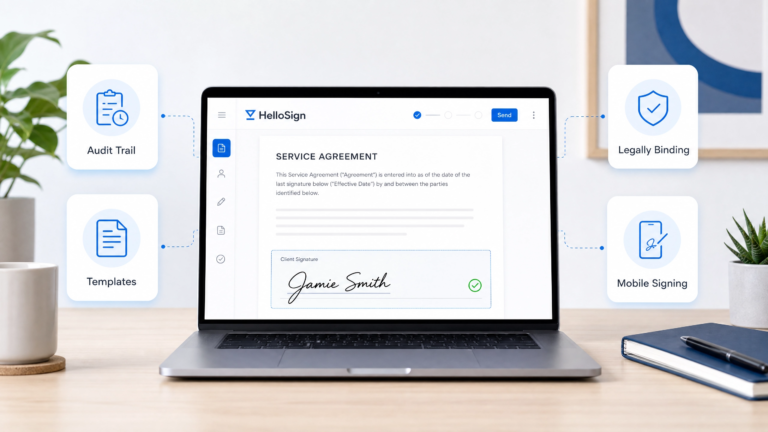
  • Tamper-proof audit trails on all plans
  • 900+ integrations with tools freelancers already use
  • Mobile-first signing experience for clients
  • Reusable templates save time on repeat contracts
Cons
  • Strict envelope limits create frustrating usage ceilings
  • Pricing is in USD with no local currency support.
  • Hidden costs can make the "true price" significantly higher
  • Service speed and support quality can lag in emerging markets
  • Bulk send and payment collection are locked behind the most expensive plan

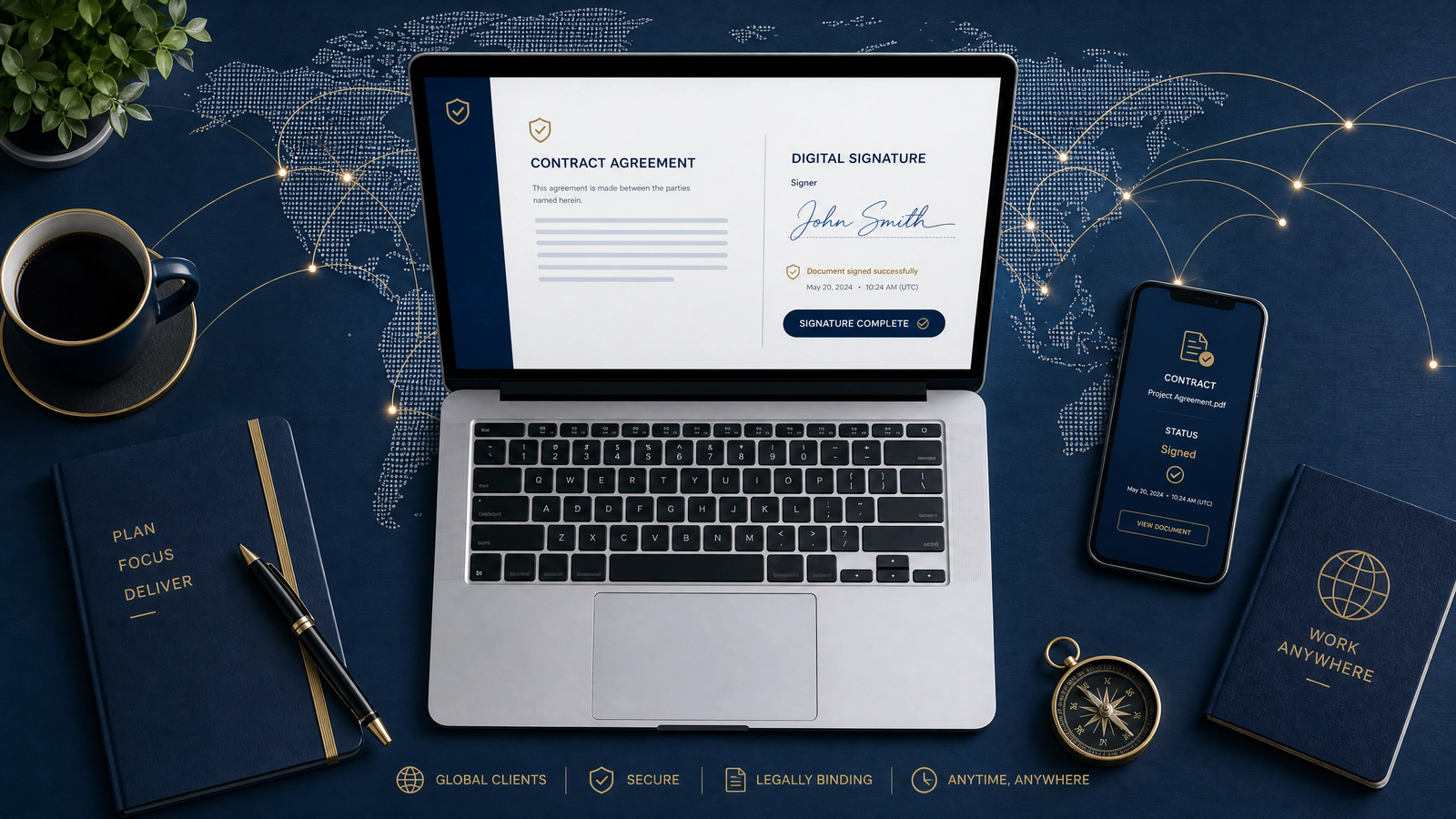
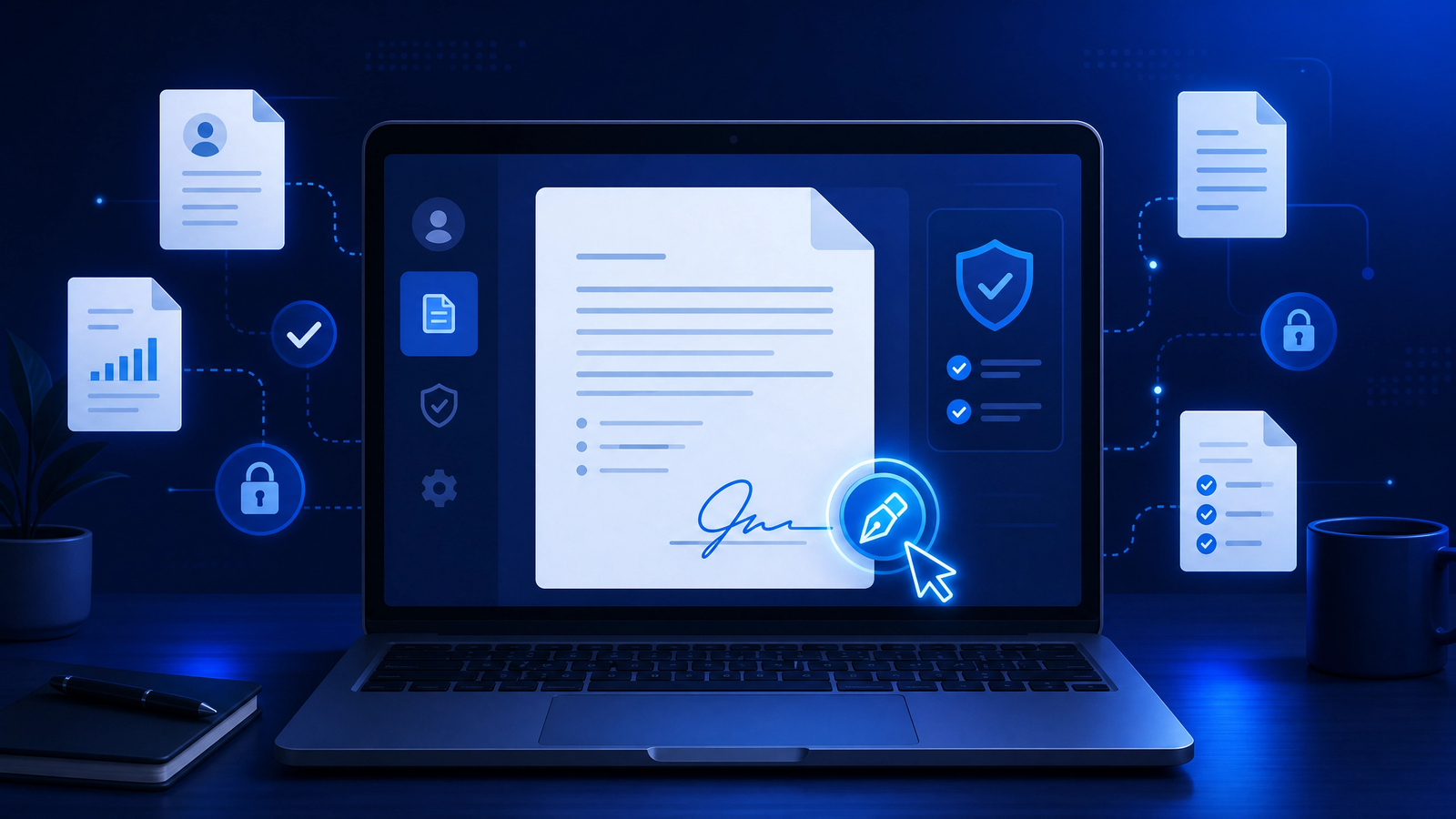
DocuSign is the world’s leading electronic signature and digital agreement platform, enabling individuals and businesses to send, sign, and manage legally binding documents entirely online. At its core, it eliminates the friction of printing, scanning, and physically couriering contracts — a workflow that has become increasingly irrelevant in a remote, borderless freelance economy. For freelancers, the platform’s primary use case is sending client contracts, NDAs, project agreements, and scope-of-work documents for e-signature, complete with tamper-proof audit trails that document every action taken on a file.

DocuSign is best suited for established freelancers and independent consultants who regularly work with international or corporate clients — particularly those whose clients are based in the US, UK, or EU, where DocuSign carries strong brand recognition and legal familiarity. It is a particularly good fit for freelancers in tech, legal services, copywriting, design, and consulting, where professional-grade contracts are the norm and clients expect a polished documentation process.

For freelancers based in Nigeria, Kenya, India, and the Philippines, the value proposition is compelling but nuanced. Under Nigerian law, electronic signatures are recognized, and the Nigerian Evidence Act permits electronic records to be admitted as evidence under Section 93, supporting the authenticity and valid acceptance of a contract. India, Kenya, and the Philippines are all listed jurisdictions where electronic signatures are recognized as legally valid, meaning DocuSign-signed contracts carry real legal enforceability in cross-border freelance engagements. The key value for freelancers in these regions lies in credibility: presenting international clients with a DocuSign contract signals professionalism and removes a major psychological barrier to signing